Technology. Innovation. Commitment. +91 90477 77757 info@pointpumps.com
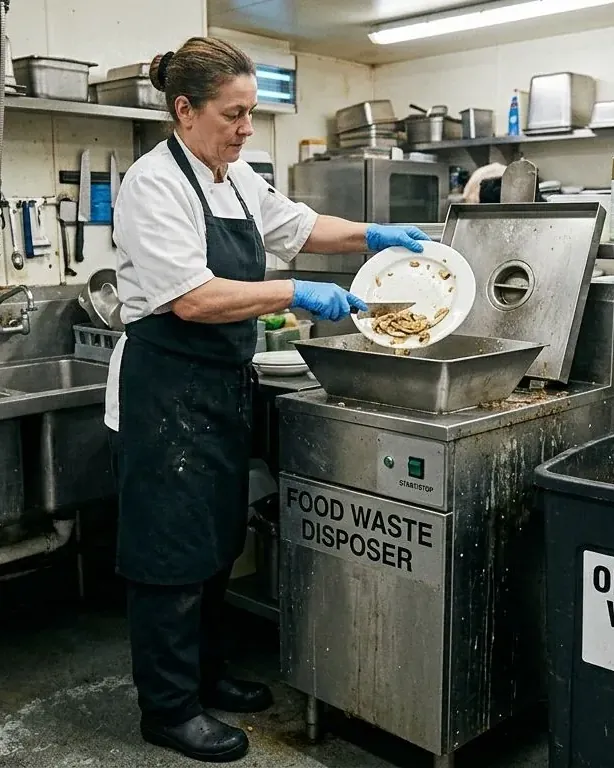
Food waste disposer
Explore Food Waste Disposers

Disposers that grind kitchen waste at the sink and flush it away — for homes and for commercial kitchens.

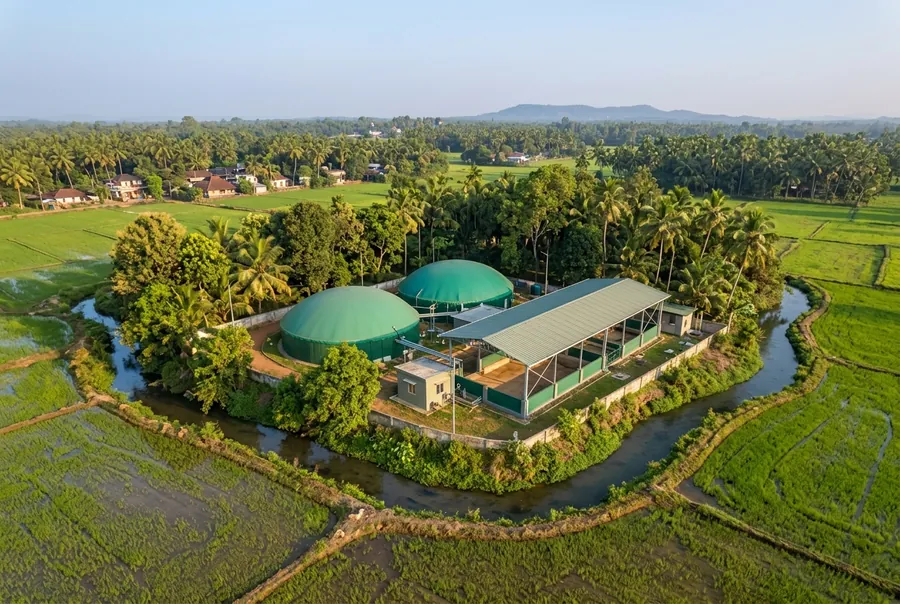
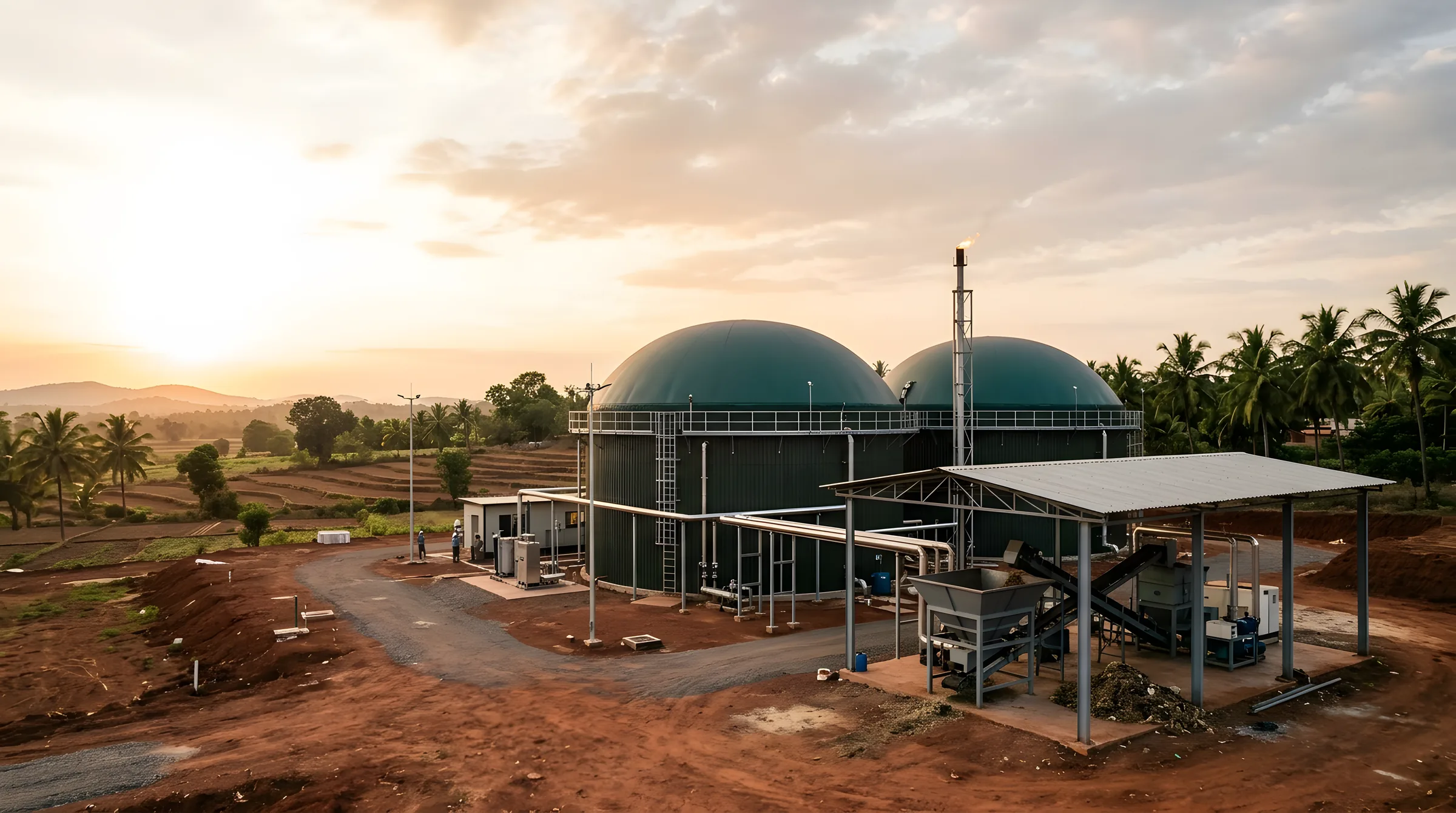
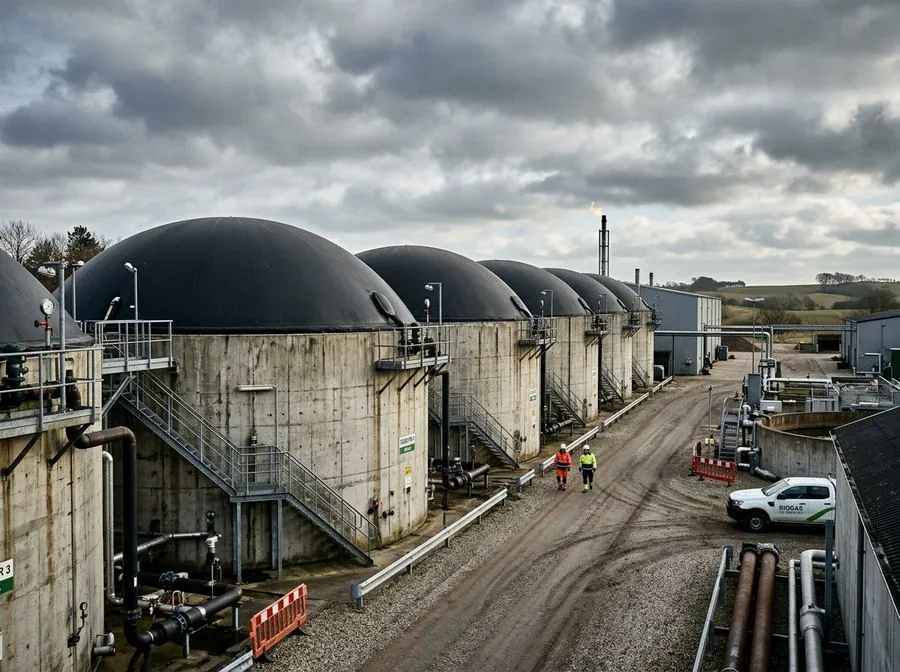
Biogas plant at sunset: two digester tanks under green gas holder domes, a flare stack and a covered pre-processing shed with its feed hopper

Biogas Plants & Biogas Equipment

EngineeringRenewable Energyfrom Organic Waste

Organic waste isn’t a disposal problem — it’s an energy asset waiting to be engineered correctly. Point builds biogas plants two ways — custom-engineered on your site, or as a compact portable plant — and makes the pre-processing equipment that decides whether any plant actually performs.

  1. Organic waste
  2. Pre-processing
  3. Digestion
  4. Purification
  5. Energy & digestate

What we offer

Two Kinds of Plant, and the Equipment That Feeds Them

A plant engineered and built on your site, a packaged plant delivered ready to run, or the pre-processing equipment for a plant you already have.

01 · Built on your site

Customized Biogas Plant

Designed and constructed at your site, around your feedstock, capacity and output requirements — for organic waste volumes from kilograms to tonnes.

  • Custom-engineered, site-constructed
  • Kilograms to tonnes of waste a day
  • Electricity, heat or Bio-CNG
View the customized plant →
02 · Delivered ready

Portable Biogas Plant

A compact plant that converts daily food waste into useful biogas and organic manure — for homes, hostels, hotels, canteens, apartments, institutions and commercial kitchens.

  • 20–180 kg of food waste a day
  • Less LPG, lower disposal costs
  • Five models, PB-2.5 to PB-20
See the portable plant ↓
03 · For any plant

Biogas Equipment

Purpose-built equipment for shredding, crushing, maceration, pumping, mixing and feedstock preparation — with our plants, or on its own for a plant already running.

  • Shredders, crushers, crunchers, macerators
  • Mixers, agitators, separators, composters
  • Supplied in India, Germany and Europe
See the equipment range ↓

The biogas opportunity

Turning Organic Waste into Energy, Value & Sustainability

Organic waste is no longer simply a disposal challenge. It is a valuable resource capable of generating renewable energy, reducing environmental impact, and producing nutrient-rich organic fertilizer. Through anaerobic digestion, biodegradable organic matter is converted into methane-rich biogas under controlled conditions.

With the right feedstock preparation, process engineering, and plant design, this transformation can deliver:

Five outcomes

Renewable Energy Generation

Produce electricity, heat, or Bio-CNG from suitable organic waste — converting a waste stream into a usable energy source for your own operations or for supply.
Reduced Operating Costs

Reduce waste disposal costs while creating an alternative source of energy, offsetting conventional energy spend over the life of the plant.

Resource Recovery

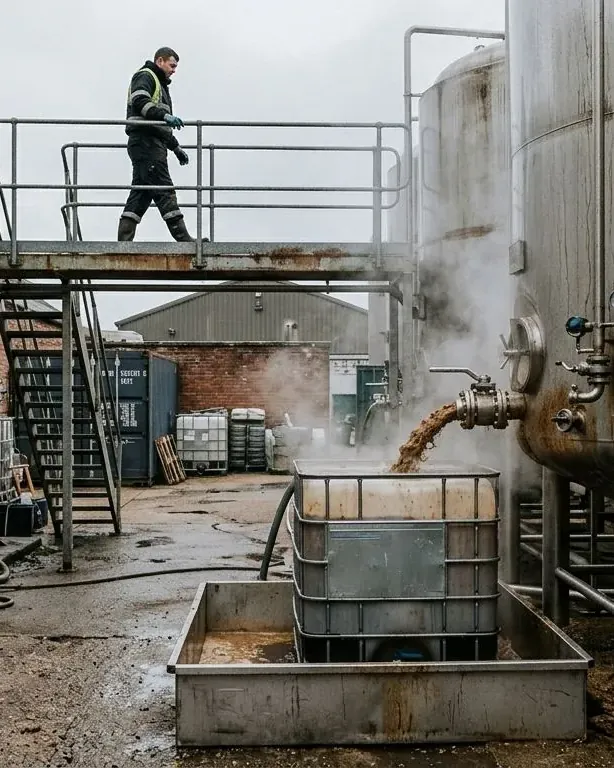
Transform organic waste into renewable energy and useful digestate — nutrient-rich material that can be processed for beneficial reuse rather than sent to landfill.

Environmental Performance

Support sustainability objectives and responsible waste management, reducing the environmental footprint of organic waste disposal.

Energy Independence

Reduce dependence on conventional fossil-fuel-based energy by generating power from your own waste stream.

Key business benefits

Reduced carbon footprintImproved energy independenceLower lifecycle costsEnhanced resource efficiencySustainable waste managementLong-term return on investment

How our biogas system works

One Integrated Process, Multiple Sustainable Outcomes

Seven stages, engineered as one line — from the waste that arrives to the energy and fertilizer that leave.

Stage 01

Feedstock Segregation

Organic waste is identified, segregated, and prepared for efficient processing — the first checkpoint for keeping foreign matter and contaminants out of the digestion process.

Where Point focuses Stage 02

Pre-Processing

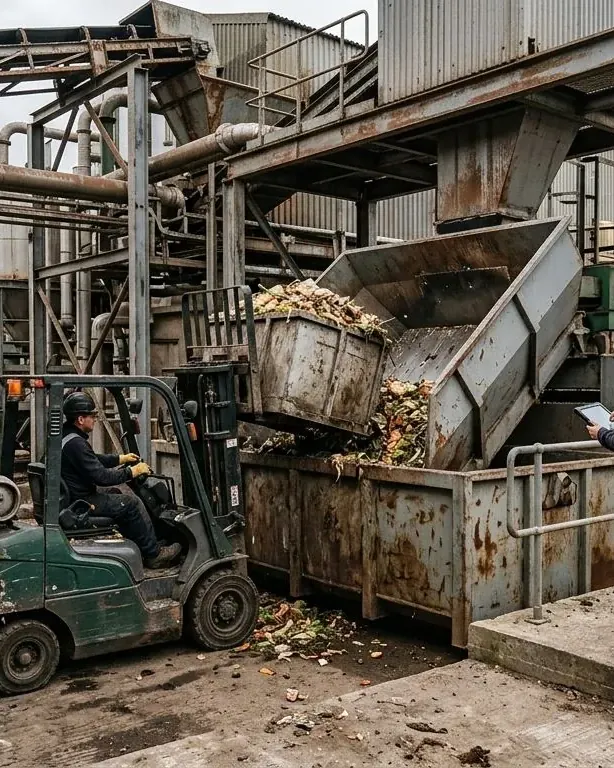
Screening, shredding, crushing, maceration, pumping, and mixing prepare the feedstock for digestion. This is the stage most biogas providers underinvest in — and the one that determines digestion efficiency downstream.

Stage 03

Feedstock Preparation

The processed material is homogenized and conditioned to create a consistent substrate, so the digester receives predictable, well-prepared input rather than variable raw waste.

Stage 04

Anaerobic Digestion

Controlled biological digestion converts organic matter into methane-rich biogas, engineered around your feedstock’s specific characteristics and retention requirements.

Stage 05

Biogas Purification

The generated biogas is treated to remove unwanted components and improve gas quality, preparing it for its intended end use.

Stage 06

Energy Utilization

Purified biogas can be utilized for electricity, heat, or Bio-CNG — matched to your operational or supply requirements.
Stage 07

Digestate Recovery

The remaining digestate can be processed for nutrient recovery and beneficial reuse, closing the loop from waste to energy to fertilizer.

Solid-Liquid Separator →

Why Point

We Focus on What Comes Before Digestion

Most biogas solutions focus on digestion.Point focuses on what comes before it.

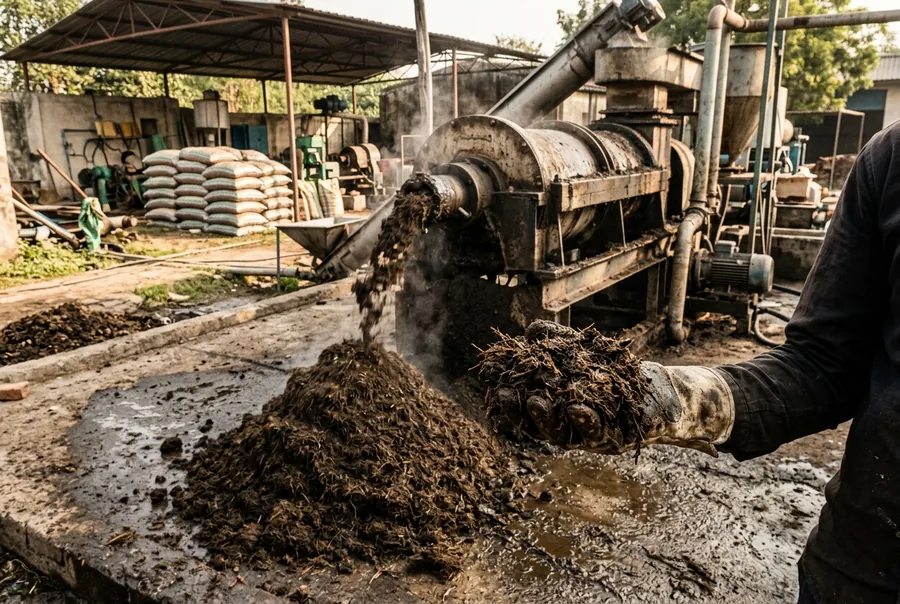
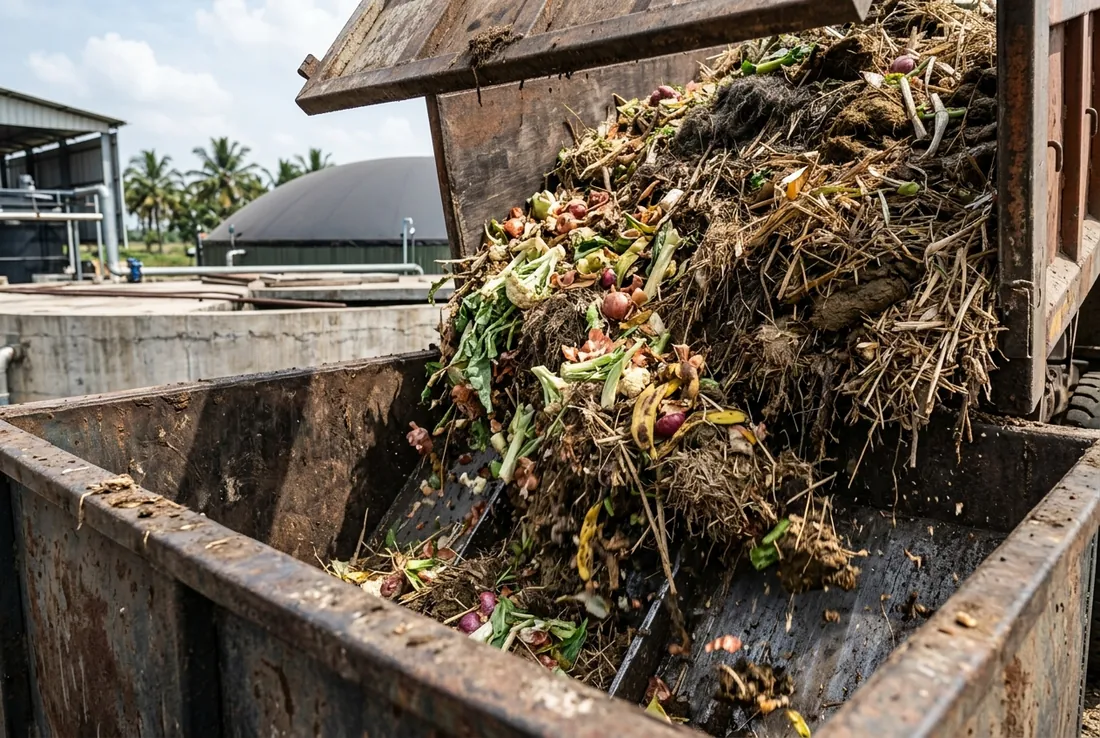
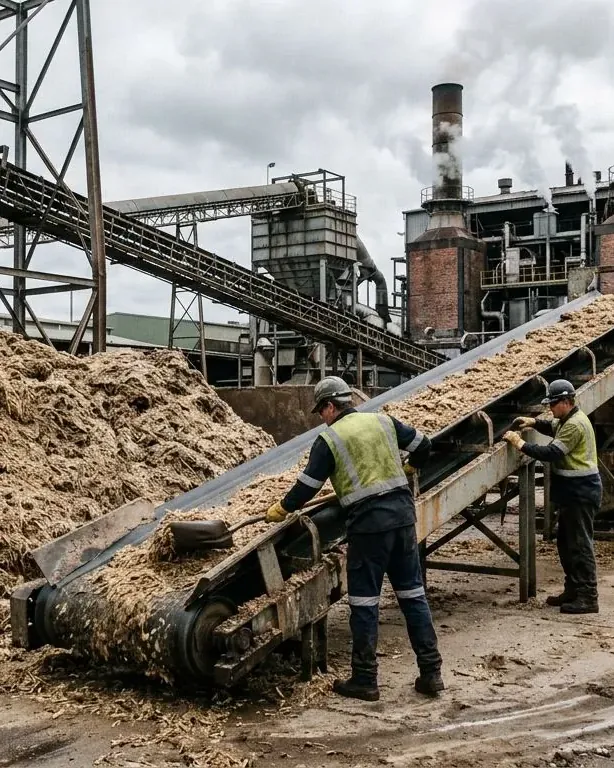
Waste isn’t always ready for digestion. Foreign matter, packaging, fibrous materials, inconsistent particle sizes, and variable moisture content can all affect feeding, digestion efficiency, and biogas output. Point’s pre-processing solutions — shredders, crushers, macerators, slurry pumps, agitators and dry-waste crunchers — prepare the waste for better digestion, higher biogas yield, and more reliable operation.

See the pre-processing range →
Waste as it arrives
  • Foreign matter
  • Packaging
  • Fibrous materials
  • Inconsistent particle sizes
  • Variable moisture content

↓ Pre-processing ↓

What the digester gets
  • Better digestion
  • Higher biogas yield
  • More reliable operation

Biogas equipment

Point’s Pre-Processing Approach

We engineer the front-end of the plant to prepare feedstock for efficient biological digestion — the step most biogas providers skip, and the one that determines whether your plant actually performs.

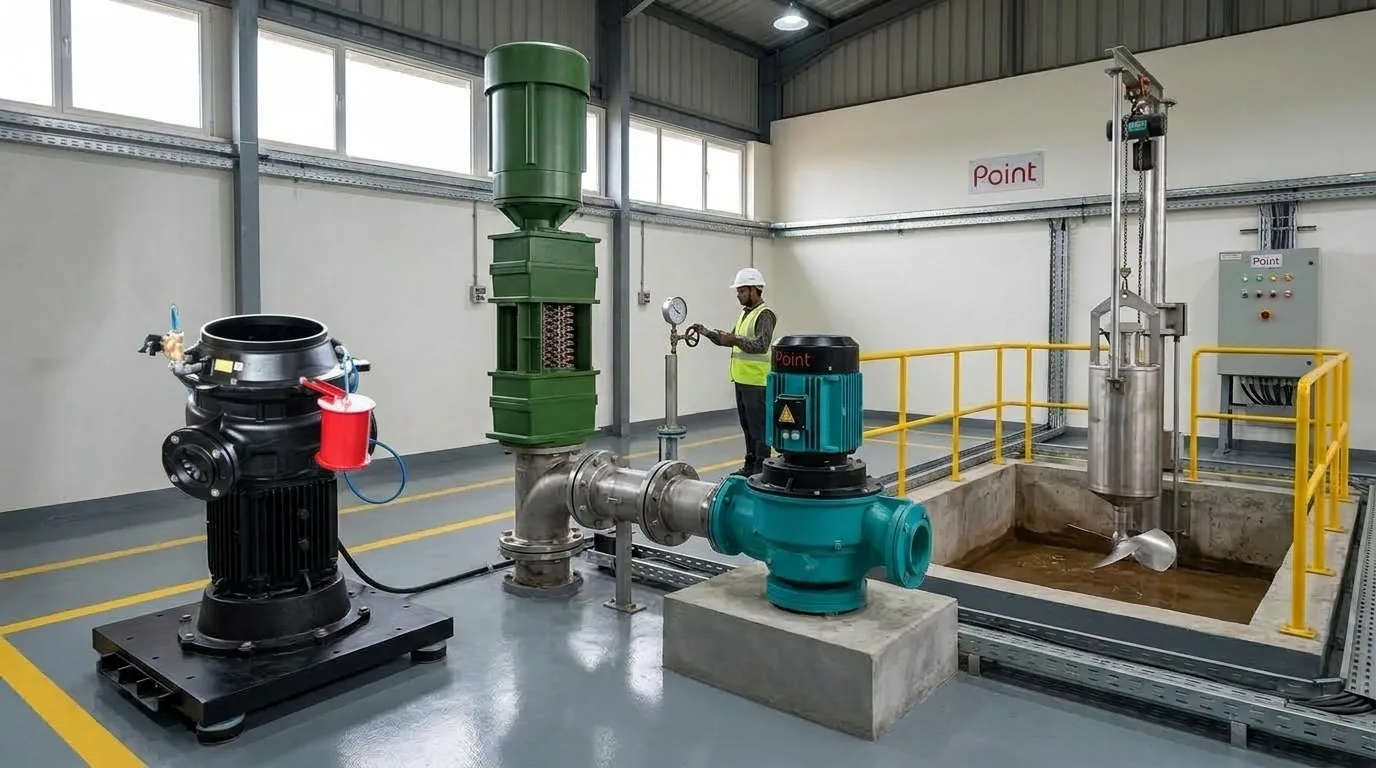
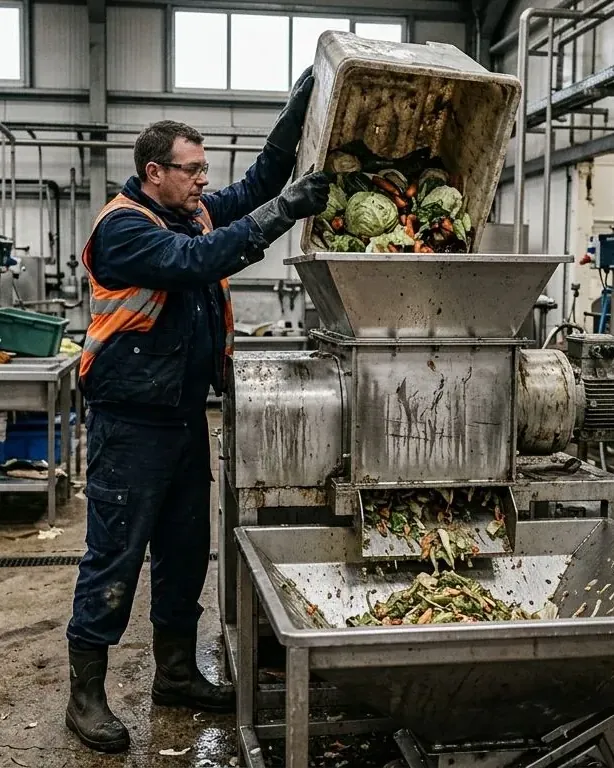
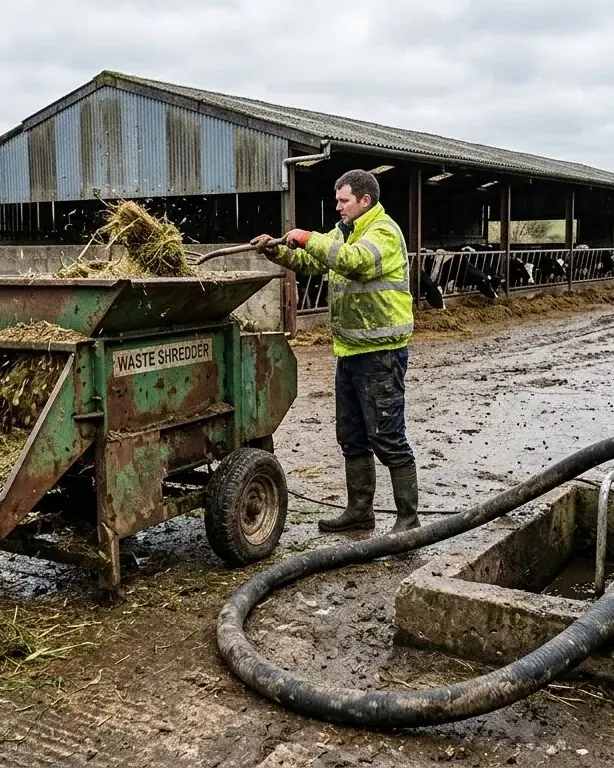
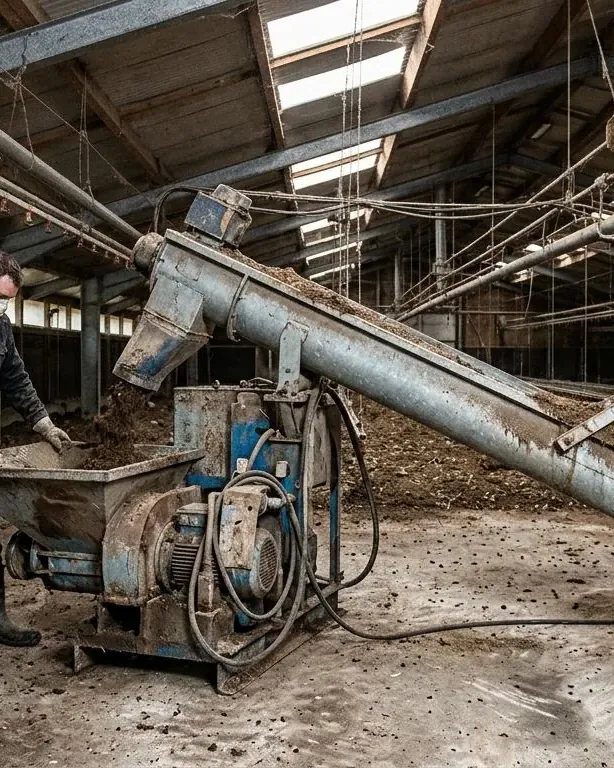
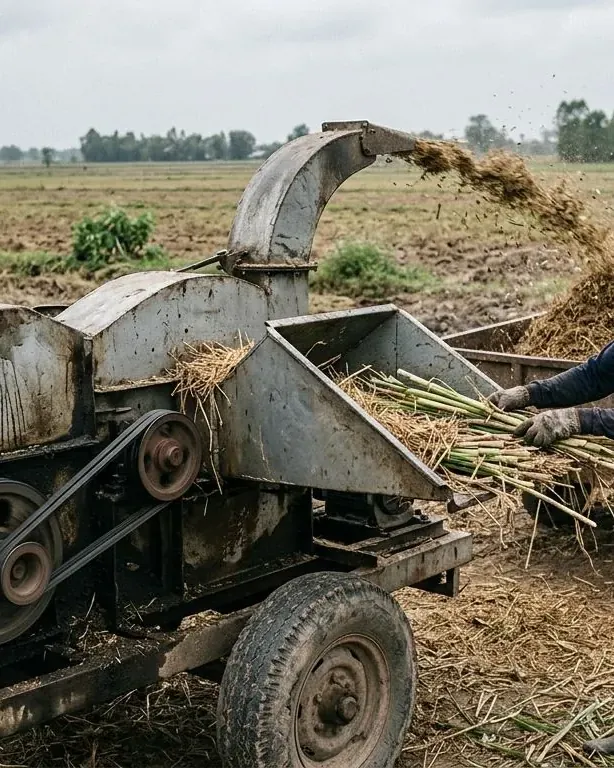
Shredding · grass & straw Napier Grass Shredder Efficiently shreds high-fibre organic materials like Napier grass, rice straw, and corn stalks — feedstocks that would otherwise resist breakdown and slow digestion. Purpose-built for agricultural and high-biomass applications. Crushing · food waste Food Waste Crusher Turns food waste into a homogeneous, digestible mixture. Suitable for at-source installation in commercial kitchens, hotels, and institutional canteens, or as part of a centralized pre-processing line feeding a larger biogas system. Crushing · food waste Standalone Crusher An independent, floor-standing crusher cabinet that plumbs into existing flushing water, drainage and power — an independent unit for any commercial or industrial kitchen. Same mechanism as the Tabletop series, seven capacity models, 300–1500 kg/hr. Crunching · dry waste Cruncher — Dry Waste Reduces organic waste into a consistent particle size for efficient downstream processing, complementing the wet-waste shredding and maceration range for sites handling mixed dry and wet feedstock. Maceration · liquid waste Macerator Homogenizes organic waste for efficient handling — breaking down mixed and inconsistent material into a uniform slurry that moves reliably through pumping and digestion stages. Mixing · in the tank Submersible Mixer Compact and easy to maintain, with a self-cleaning blade that prevents debris from twining or blocking the mechanism. Paired with an aerator it lowers energy consumption while maintaining a high aeration rate and preventing sedimentation. Supports nitrification, de-nitrification, and phosphorus removal. Tungsten carbide mechanical seal. Agitation · in the digester Agitators Maintain homogeneous conditions throughout the process, preventing sedimentation and settling that would otherwise reduce digester efficiency and biogas output. Separation · digestate Solid-Liquid Separator Fully automated, continuous-processing dewatering with minimal manual intervention. Energy-efficient, with corrosion-resistant stainless steel construction for long service life in a compact footprint — configurable to specific process requirements. Used on livestock farms, in digestion plants, and in distillery and starch processing. Composting · solids Composter Converts food and biodegradable waste into nutrient-rich compost, hygienically and on-site — reducing waste volume and disposal costs through fast, fully automated composting.

How to Choose the Right Equipment

Every feedstock needs a different combination of this equipment — a distillery residue and a poultry manure stream won’t be pre-processed the same way. Our engineering team assesses your specific waste characteristics (fibre content, moisture, particle size, contamination) before recommending a pre-processing line, rather than selling a fixed package.

Already have a digester? Point supplies standalone pre-processing equipment for sites that already have digestion infrastructure or are upgrading an existing system.

Talk to an Engineer About Your Feedstock

Customized plant · built around your project

Five Variables, One Solution

We customize the solution around five variables specific to your project — so the plant is engineered for your waste and your site, not adapted from a template.

Variable 01 / 05

Waste

Feedstock type and characteristics.

Variable 02 / 05

Capacity

Daily waste quantity and processing requirements.

Variable 03 / 05

Site

Available space, infrastructure, utilities, and site conditions.

Variable 04 / 05

Output

Biogas, energy, heat, Bio-CNG, or other intended applications.

Variable 05 / 05

Operations

Automation, manpower, maintenance, and long-term operating requirements.

20+

The Point advantage

Years as a trusted supplier of critical process equipment for biogas plants

  • India
  • Germany
  • Major European countries
Customized EngineeringPrecision ManufacturingTurnkey Execution
Intelligent AutomationEnergy OptimizationLifecycle Support

For over two decades, Point has been a trusted supplier of critical process equipment for biogas plants in India, Germany, and major European countries.

Customized plant · key features

Engineered as One Coordinated Plant

01

Custom-Engineered

Plant configuration is developed around your feedstock, site, capacity, and output requirements — not adapted from a fixed template.

02

Site-Constructed

The plant is designed and constructed at the project site rather than supplied as a portable packaged unit, so it’s built to match your actual conditions.

03

Integrated Pre-Processing

Dedicated front-end equipment prepares the feedstock before digestion — the differentiator that sets Point plants apart.

04

Scalable Organic Waste Handling

Designed to efficiently handle organic waste volumes ranging from kilograms to tonnes, based on feedstock assessment and project-specific engineering.

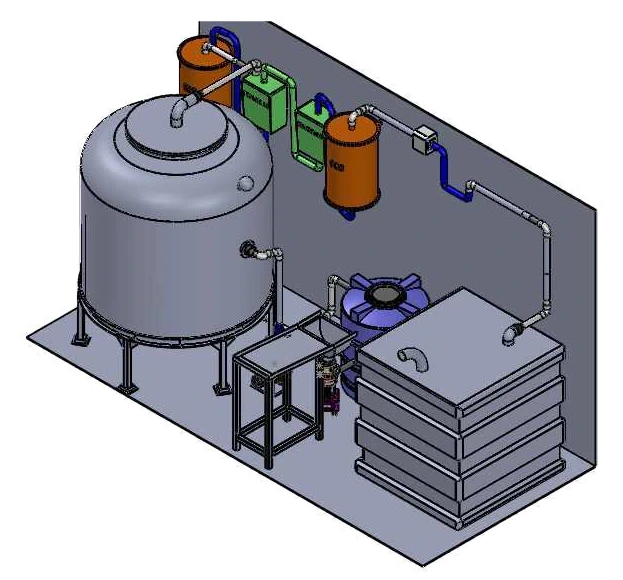
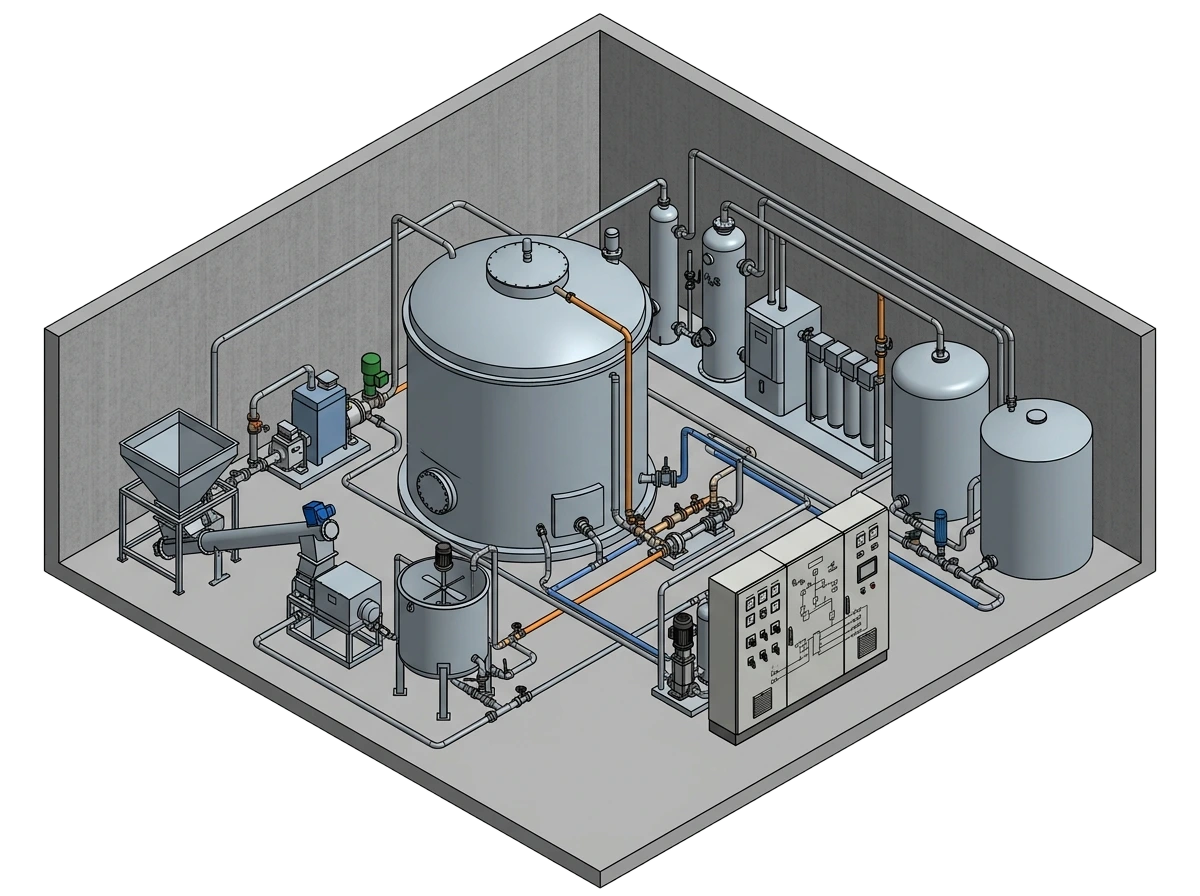
Isometric cut-away of a site-engineered biogas plant: digester, gas holder, pre-processing and gas handling equipment
Customized Biogas Plant → Need a packaged unit? Portable plant →
05

High-Performance Process Systems

Integrated digestion, gas purification, and gas handling systems working as one coordinated process.

06

Industrial-Grade Equipment

Robust equipment designed for demanding operating conditions and continuous operation.

07

Automation Ready

Process monitoring and automation can be configured according to project requirements and your team’s operational capacity.

08

Lifecycle Support

Technical support from installation and commissioning through plant operation — not a handover-and-done relationship.

Portable biogas plant

Organic Waste to Clean Energy, Delivered Ready

A compact and efficient solution to convert daily food waste into useful biogas and organic manure — managing wet waste sustainably while reducing LPG dependency and disposal costs.

  1. Food waste is fed into the inlet chamber along with water.
  2. Inside the digester tank, anaerobic bacteria break down the organic waste and generate biogas.
  3. The gas is used for cooking, heating or other energy needs; the slurry outlet gives nutrient-rich organic manure.
Food waste a day
20–180 kg
Biogas a day
1.8–16.5 m³
LPG equivalent a day
0.8–7.5 kg
Models, PB-2.5 to PB-20
5

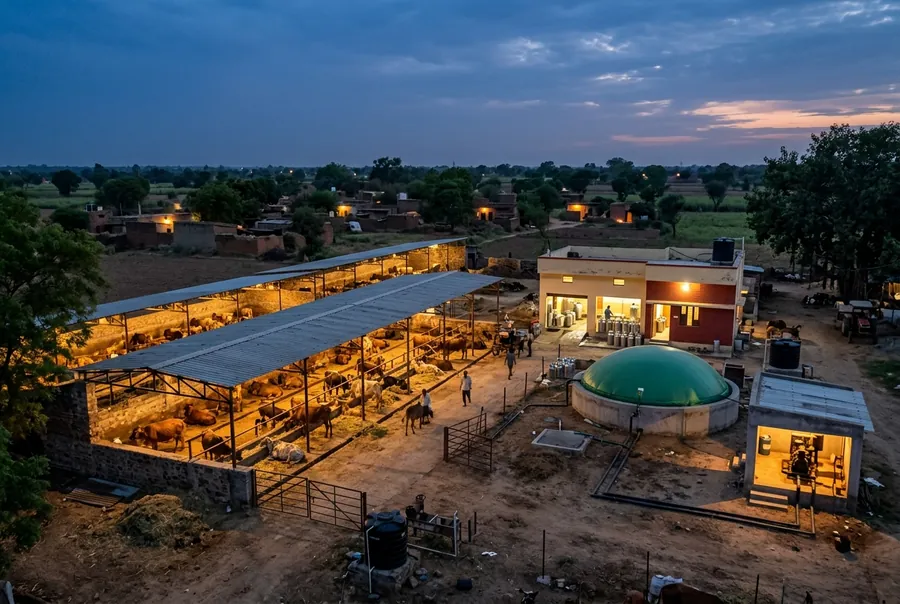
Who it’s forHotels · Hostels · Canteens · Apartments · Educational institutes · Hospitals · Corporates · Wedding halls · Convention centres · Malls · Municipalities · Goshalas

Who this is for

Eight Sectors, One Kind of Opportunity

Wherever organic waste is produced in volume, it can be engineered into energy.

See the full Industries We Serve page →

Common questions

Frequently Asked Questions

Answer 01

Plant sizing is based on a feedstock assessment covering your waste type, daily volume, and site conditions — plants scale from kilograms to tonnes of daily processing capacity.

Answer 02

Purified biogas from a Point plant can be used for electricity generation, heat, or upgraded to Bio-CNG, depending on your operational needs.

Answer 03

The remaining digestate can be processed for nutrient recovery and beneficial reuse, such as organic fertilizer application.

Answer 04

Both — see Biogas Products for standalone pre-processing equipment, or request a custom plant assessment for a full turnkey solution.

Answer 05

Yes — the Portable Biogas Plant turns daily food waste into biogas and organic manure for homes, hostels, hotels, canteens, apartments and institutions. Nine models handle 20 to 500 kg of waste a day, from compact packaged units (PB-2.5 to PB-20) to larger at-site plants (PB-50 to PB-500).