
Biogas Pre-Processing · Composter
Composter
Fully Automated Organic Waste Composter
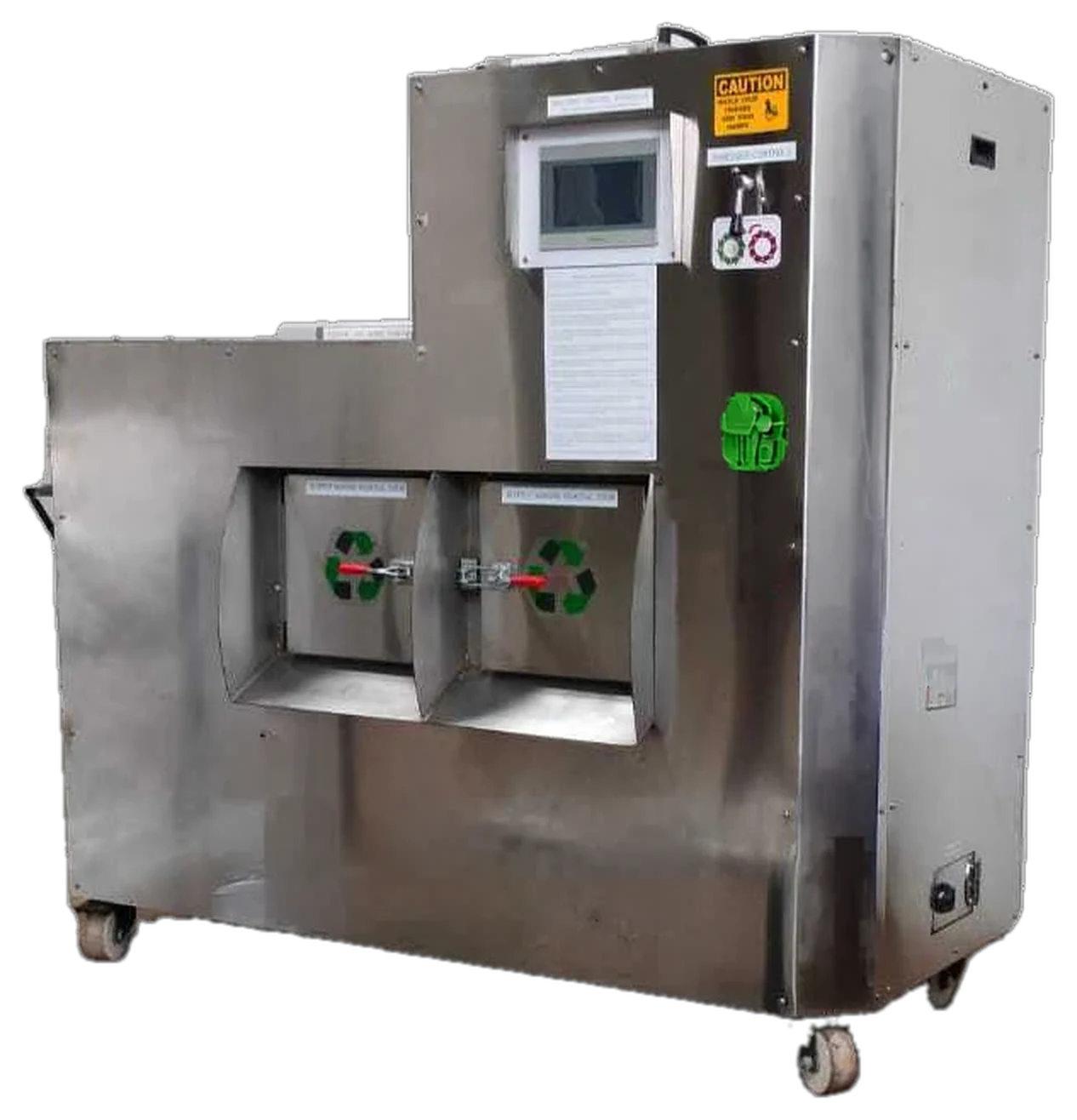
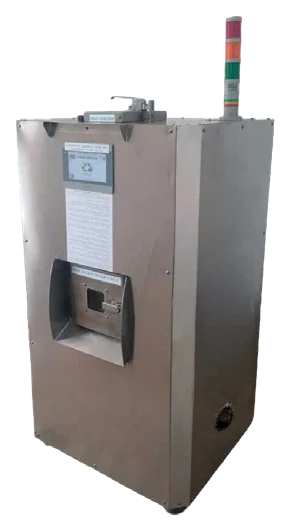
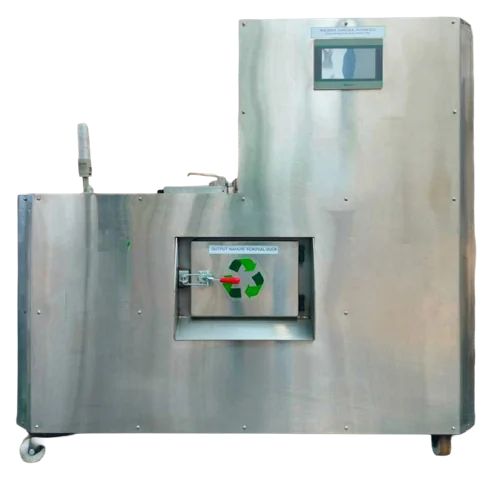
A fully automated composter that converts food and biodegradable waste into usable, nutrient-rich compost — hygienically, on-site, in hours rather than weeks. Microbial technology drives high volume reduction at proven operating temperatures, so what goes in as waste comes out as reusable compost at a fraction of the disposal cost. Seven models, 25 kg to 1650 kg vessel capacity — from about 10 kg to a tonne of waste a day.
- Vessel capacity
- 25 – 1650 kg
- Motor power
- 2 – 18 HP
- Compost time
- 9 – 25 hours
- Models
- Seven — P-OWC-20FA to 1500FA
What it’s for
Waste In, Compost Out — On Site
Food and biodegradable waste is loaded, shredded by the inbuilt shredder, and mixed at proven operating temperatures using microbial technology — turning it into a hygienic, nutrient-rich, reusable compost in as little as 9 hours for the smallest model, without it ever leaving the site. That cuts both the volume that has to be hauled away and the cost of hauling it.
All seven models share the same fully automated process — an inbuilt shredder, a mixer, and a monitored compost cycle — sized from a 25 kg compact unit up to a 1650 kg installation, so the same approach covers a hotel kitchen and a municipal-scale facility alike.
Construction
Which Series Fits?
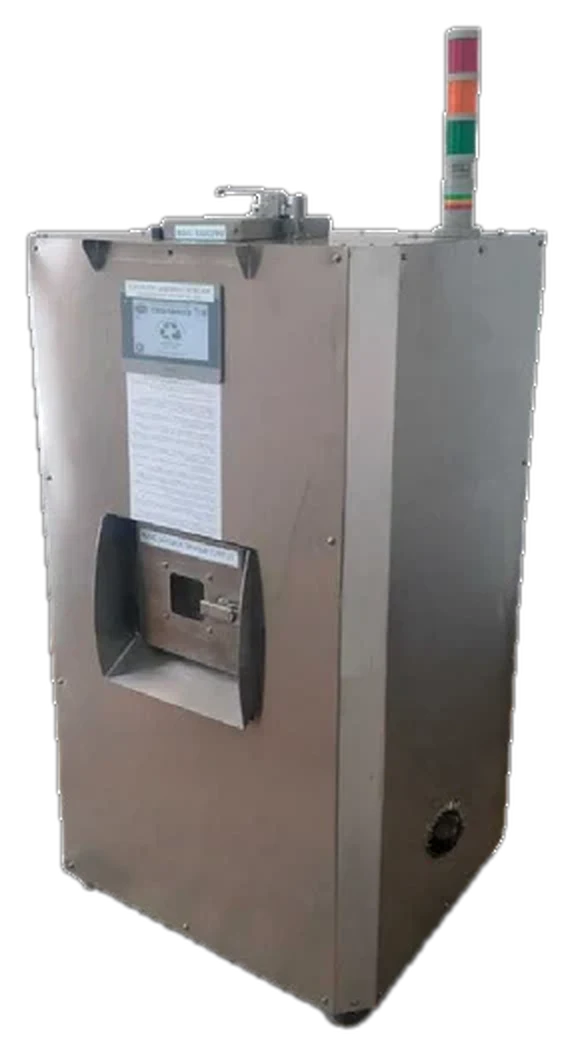
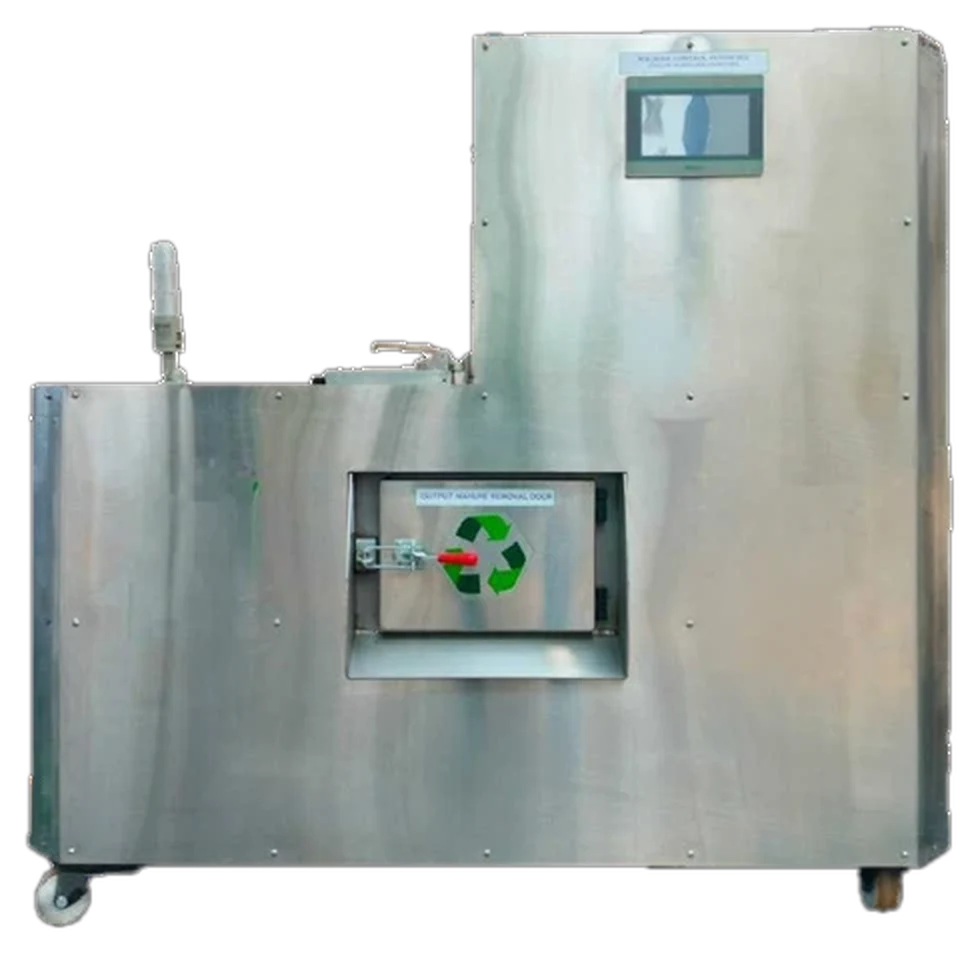
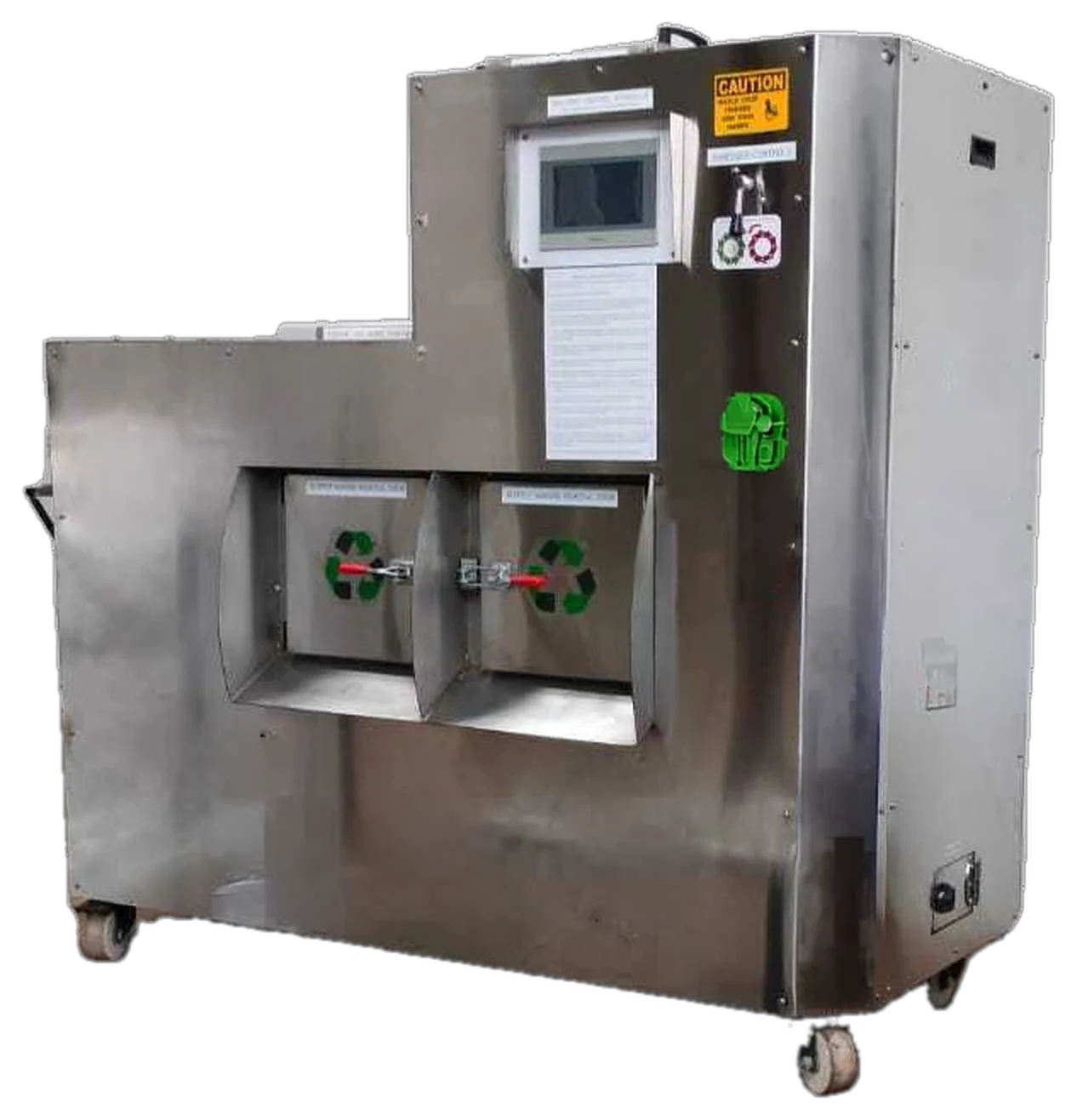
One composting process across three cabinet sizes — the model changes with the daily volume, not the method.
Specifications
Technical Data
- P-OWC-20FA
- 25 kg vessel · 2 HP · 125 kg machine · 8 rpm mixer · 9–12 hrs · 2.5 × 2 × 4 ft
- P-OWC-50FA
- 75 kg vessel · 3 HP · 250 kg machine · 12 rpm mixer · 15–17 hrs · 4.5 × 2 × 4 ft
- P-OWC-100FA
- 125 kg vessel · 4 HP · 400 kg machine · 12 rpm mixer · 16–17 hrs · 6 × 2 × 4.5 ft
- P-OWC-250FA
- 300 kg vessel · 6 HP · 650 kg machine · 14 rpm mixer · 18–20 hrs · 7 × 2.5 × 5.5 ft
- P-OWC-500FA
- 600 kg vessel · 7 HP · 800 kg machine · 14 rpm mixer · 18–20 hrs · 9 × 4 × 6.5 ft
- P-OWC-1000FA
- 1100 kg vessel · 13 HP · 1700 kg machine · 18 rpm mixer · 20–22 hrs · 10 × 5 × 6.5 ft
- P-OWC-1500FA
- 1650 kg vessel · 18 HP · 2050 kg machine · 18 rpm mixer · 23–25 hrs · 12 × 6 × 7 ft
P-OWC-FA Series — Technical Parameters
- Operation
- Fully automated — microbial composting technology
- Shredding
- Inbuilt shredder ahead of the compost vessel
- Output
- Nutrient-rich, reusable compost
- Housing
- Stainless steel cabinet, wheel-mounted
- Worked example
- P-OWC-500FA
- P-OWC
- Point Organic Waste Composter
- 500
- Approximate vessel capacity class, in kg
- FA
- Fully Automated
Construction & Process
How to read the model code
Applications
Where It’s Specified
Hotels, canteens and commercial kitchens composting daily food scraps, leftover food and kitchen waste on-site rather than paying to haul it away — the same at-source thinking as the Food Waste Crusher, carried through to a finished, reusable output.
Residential communities and institutions managing organic waste responsibly, at a scale matched by the smaller models in the range.
Municipal-scale organic waste management, sized up to the largest models for sites generating over a tonne of compostable waste a day.
An alternative or complementary route for feedstock unsuited to digestion, converting it to compost instead of gas.
Common questions
Frequently Asked Questions
What can go into it?
Fruits and vegetables, kitchen food scraps, eggs and eggshells, leftover food, flowers, coffee grounds, meat and bones, seafood and shells, and dairy, cheese and yoghurt.
How long does composting take?
9 to 25 hours, depending on the model — the smallest (P-OWC-20FA) runs a 9–12 hour cycle, and the largest (P-OWC-1500FA) runs 23–25 hours for its much larger batch.
Which model do we need?
It follows daily waste volume: vessel capacity runs from 25 kg up to 1650 kg across the seven models, so sizing is a question of how much compostable waste the site generates a day, not the type of waste.