Technology. Innovation. Commitment. +91 90477 77757 info@pointpumps.com
Food waste disposer
Explore Food Waste Disposers

Disposers that grind kitchen waste at the sink and flush it away — for homes and for commercial kitchens.

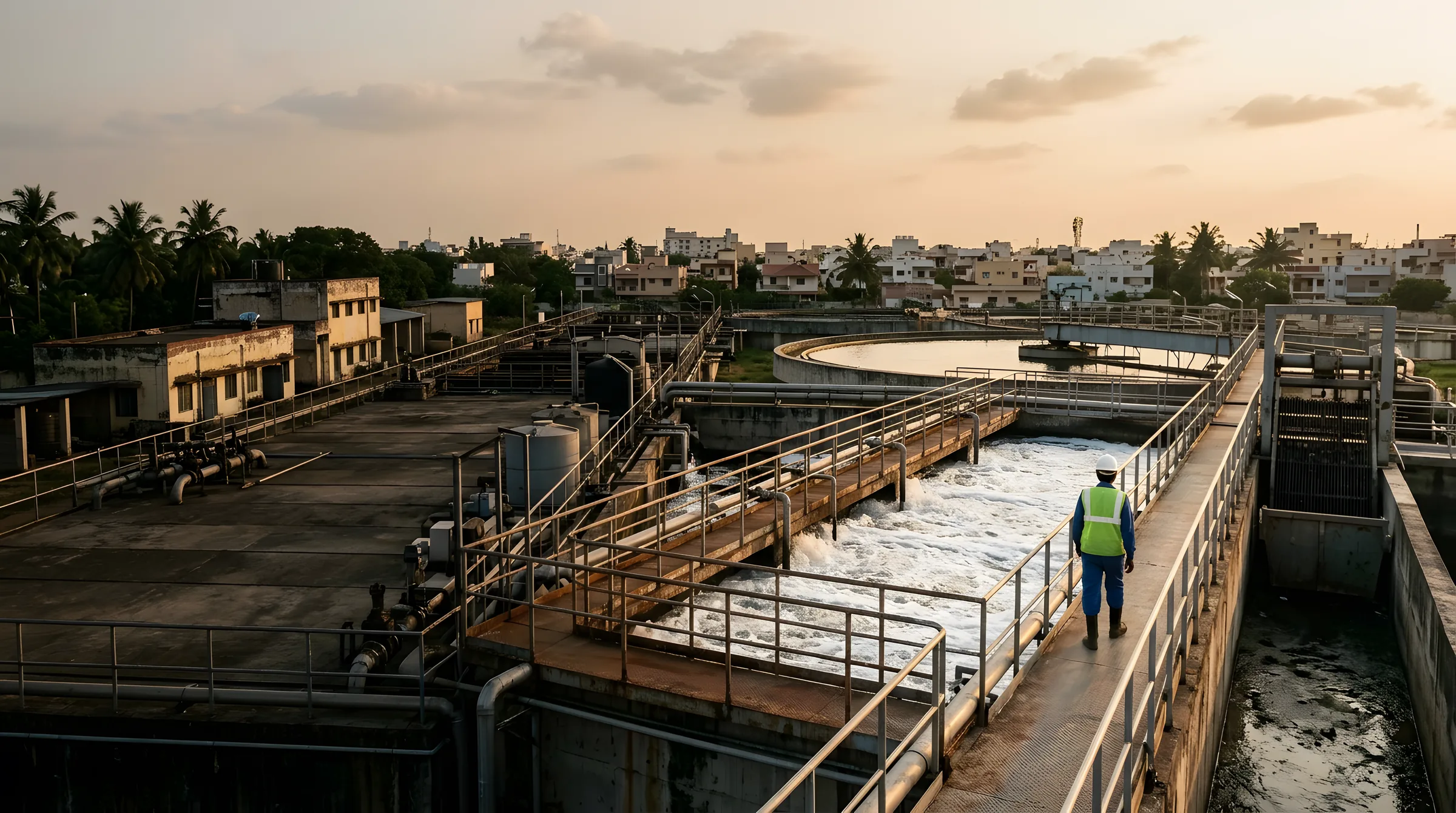
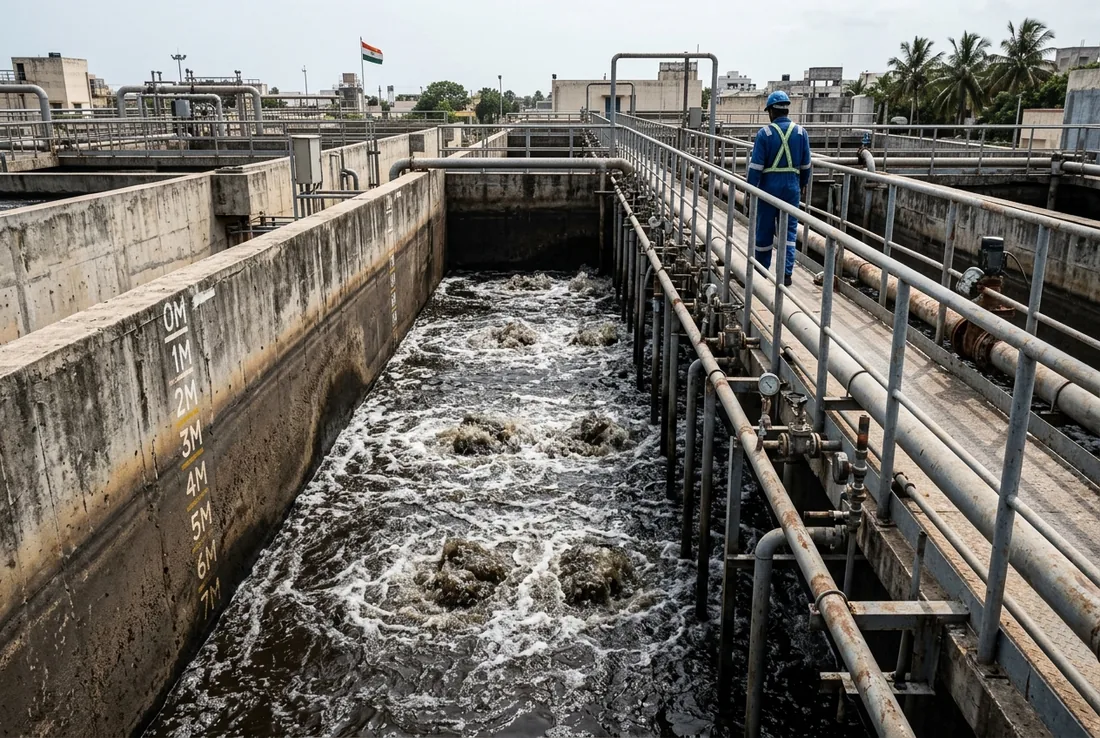
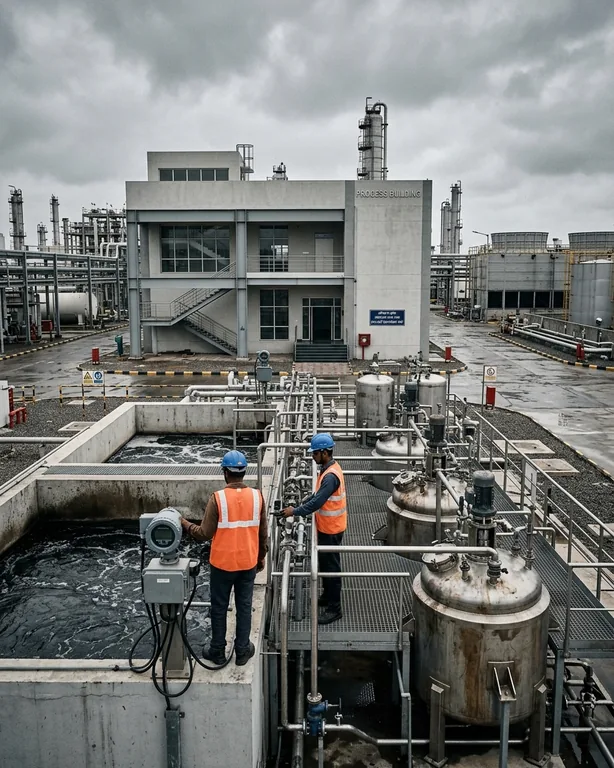
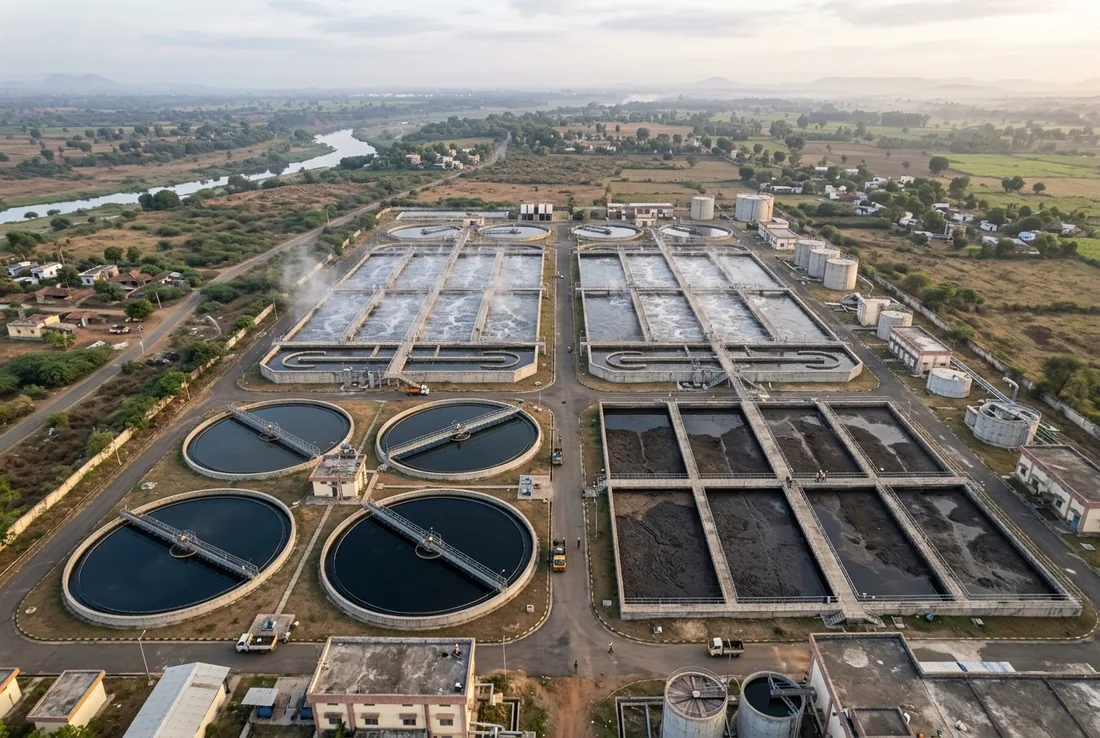
Sewage treatment plant at sunset: aeration basins churning white under steel walkways, a worker crossing the catwalk in a hi-vis vest, a round clarifier beyond, palms and the city behind

STP / ETP Plants & Equipment

IntegratedSolution Providerfor STP/ETP Plants

From intake screening to clear-water decanting, Point engineers every stage of sewage and effluent treatment — built for compliance, reliability, and long-term operational performance.
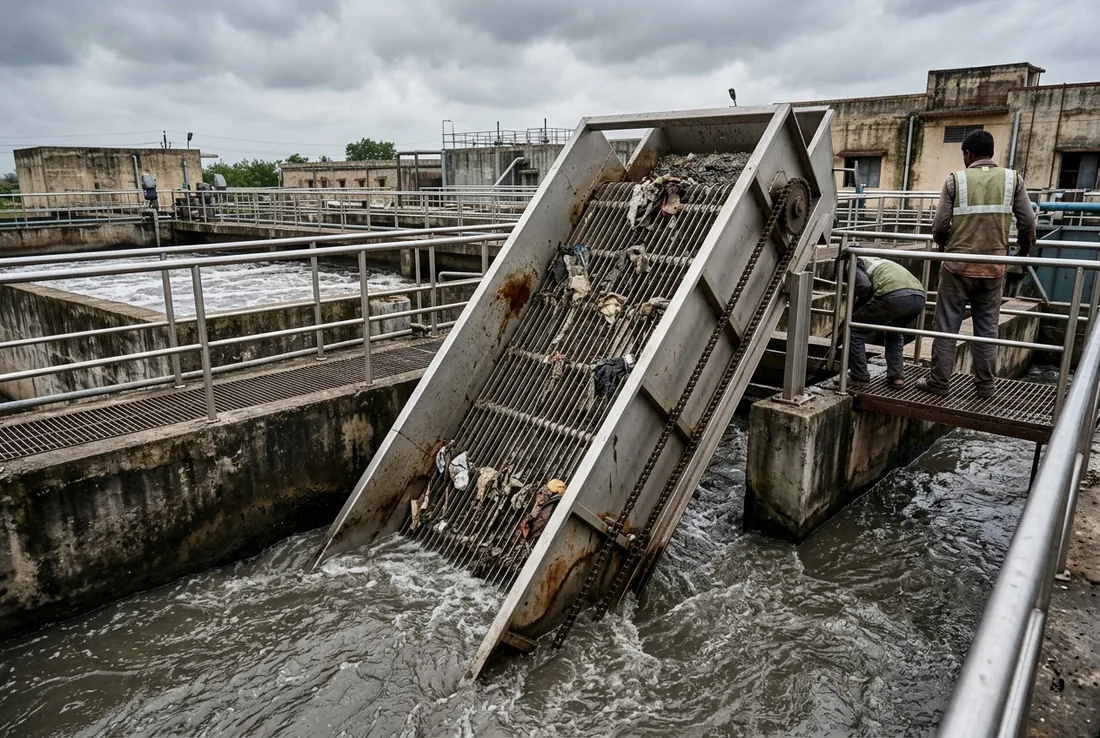
  1. Screening
  2. Surface clean-up
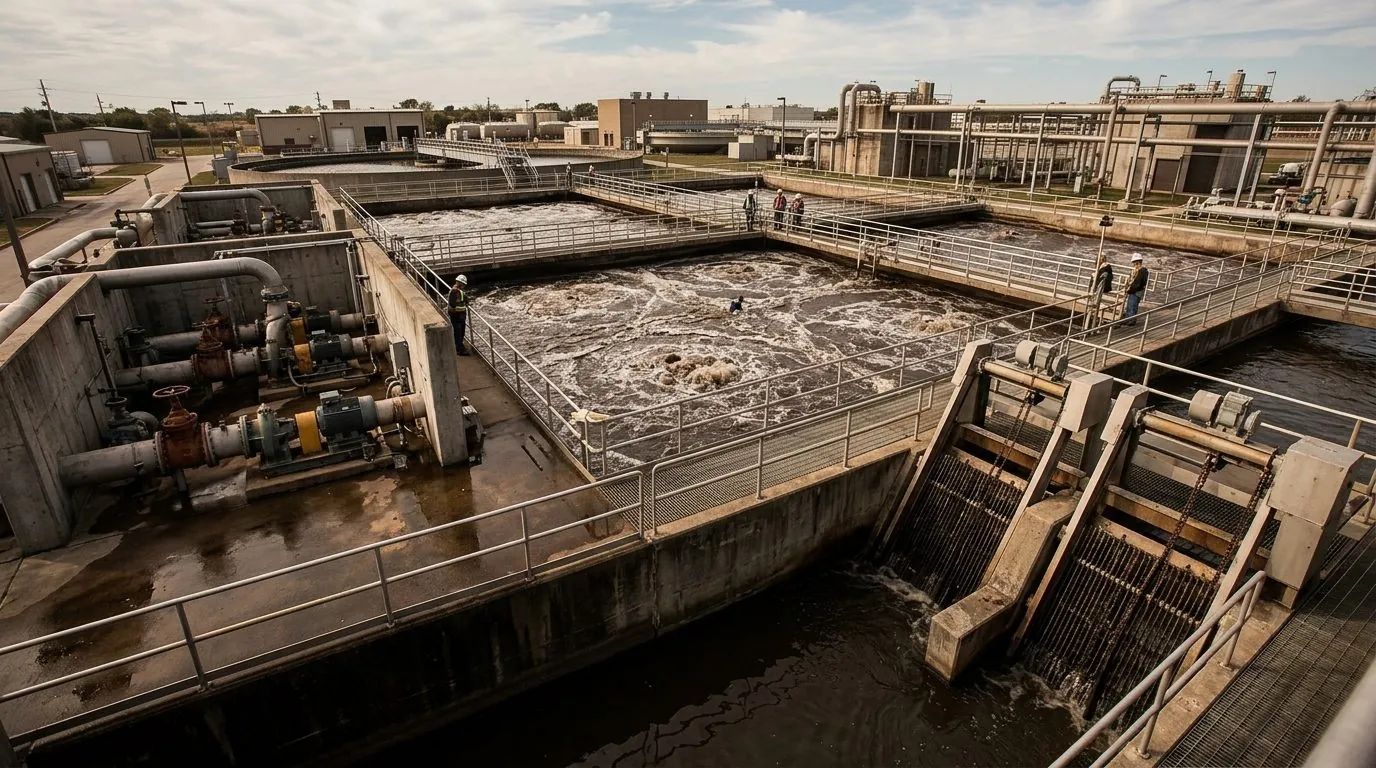
  3. Mixing & aeration
  4. Clear-water decanting
  5. Water reuse

What we offer

The Whole Treatment Plant, or the Equipment Inside It

A treatment sequence engineered for your site from intake to dewatering, or standalone equipment for a plant you are building or upgrading.

01 · Engineered end to end

STP / ETP Plant Solutions

Integrated sewage and effluent treatment designed around your flow, site conditions, treatment requirements and water-reuse objectives — the full sequence working as one coordinated system.

  • Screening to clear-water decanting
  • Residential, commercial and industrial
  • Sized to channel width, tank depth and capacity
See the treatment sequence ↓
02 · New plants and upgrades

STP / ETP Equipment

Equipment for critical wastewater treatment applications, including bar screens, scum removers, mixers, aerators, bubble generators, decanting pumps and separators.

  • From intake screening to final dewatering
  • Upgrades and replacements in existing plants
  • Anti-jamming, low-maintenance, automation-ready
See the equipment range ↓

Overview

End-to-End Sewage & Effluent Treatment

Point delivers end-to-end sewage and effluent treatment systems for residential, commercial, and industrial applications. Our solutions are designed to ensure compliance, sustainability, and efficient water reuse across diverse environments — from screening and aeration through to mixing, dewatering, and clear-water decanting.

Built for

ComplianceSustainabilityWater reuseReliabilityLow maintenanceAutomation-ready

The treatment sequence

What Goes Into an STP/ETP System

Rather than supplying isolated pieces of equipment, we engineer the full treatment sequence to work as one coordinated system, sized to your site’s channel width, tank depth, and treatment capacity.

Stage 01

Screening

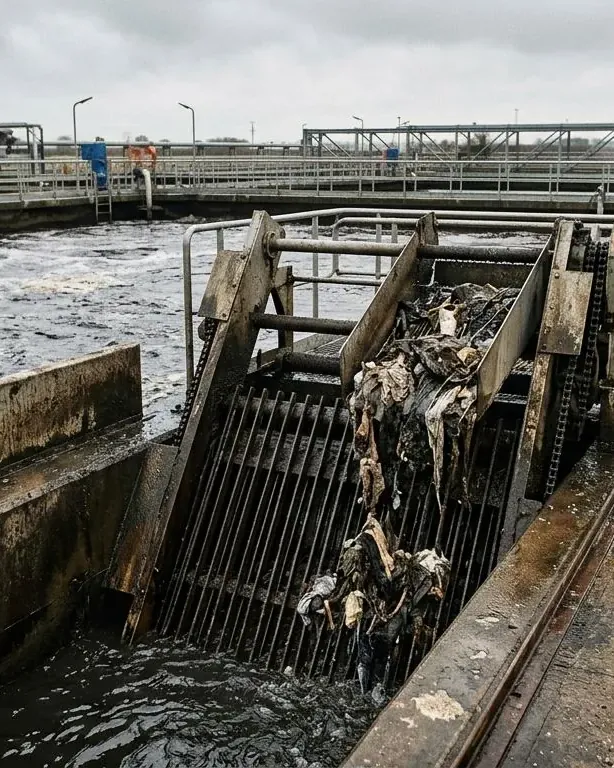
Rotary Rake Bar Screen Machines intercept and remove floating debris at the intake, protecting downstream processes from clogging and damage. Anti-jamming design and overload protection keep the system running with minimal manual intervention.

Stage 02

Surface Clean-Up

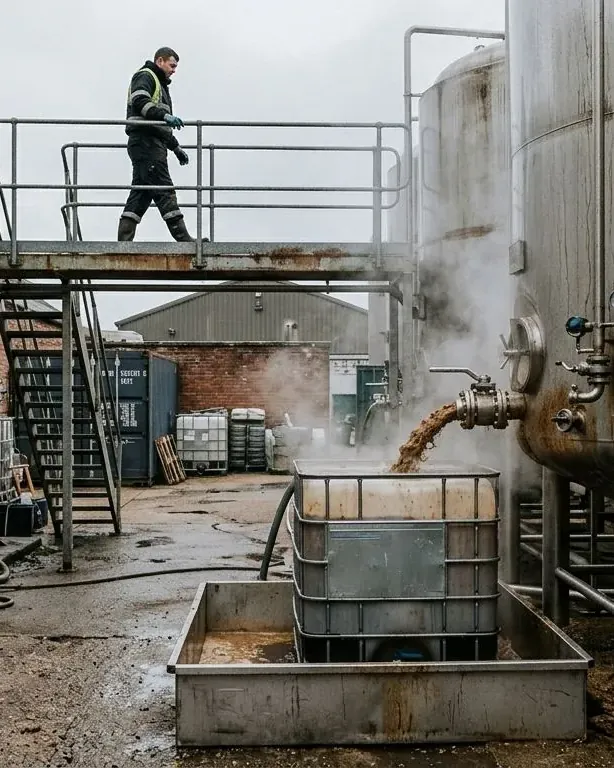
Floating Scum Removers collect grease, oil, foam, and surface contaminants before they interfere with biological treatment stages — particularly important in food & beverage and oil-heavy industrial effluent.

Stage 03

Mixing

Submersible Mixers keep tanks homogenized and prevent sedimentation, supporting nitrification, de-nitrification, and phosphorus removal processes that depend on consistent tank conditions.

Stage 04

Aeration

Jet Aerators, Radial Aerators, and Push Flow Aerators deliver oxygen for biological treatment, tailored to tank type, depth, and application — from small equalization tanks to large-scale lagoon aeration.

Stage 05

Advanced Oxygenation

Micro-Nano and Super-Nano Bubble Generators provide high oxygen transfer efficiency and support pollutant breakdown for sites needing more intensive treatment performance, such as black and odorous water bodies or deep-drain wastewater.

Stage 06

Clear Water Recovery

Decanting Pumps selectively draw treated supernatant water while keeping sludge undisturbed, with automatic level adjustment and turbidity-based shutoff to protect effluent quality.

Stage 07

Solids Handling

Solid-Liquid Separators dewater and process sludge for treatment or disposal, closing out the treatment sequence with minimal manual handling.

Why Point for STP/ETP

Backed by the Same Engineering Discipline as Our Biogas Systems

Not sold as a one-size-fits-all package.Engineered around your site.

Backed by the same engineering discipline behind our biogas systems, our STP/ETP equipment is built for anti-jamming reliability, overload protection, low maintenance, and automation-readiness. Equipment like our Rotary Rake Bar Screens is available in a wide range of channel widths (800mm–3000mm) and configurations, engineered around your site’s actual channel dimensions and treatment capacity rather than sold as a one-size-fits-all package.

See the STP/ETP range ↓
Wastewater as it arrives
  • Floating debris
  • Grease & oil
  • Foam & scum
  • Settling solids
  • Oxygen demand

↓ Treatment sequence ↓

What leaves the plant
  • Compliant effluent
  • Clear water for reuse
  • Dewatered sludge
Anti-jamming reliabilityOverload protectionLow maintenance
Automation-ready800–3000 mm channelsRetrofit-ready

STP / ETP equipment

Engineered Equipment for Every Stage of Treatment

From intake screening to final dewatering — explore the full range of equipment behind a Point STP/ETP system.

Screening · intake Rotary Rake Bar Screen Machine Used in intake channels of urban sewage plants, waterworks, and stormwater drainage to automatically intercept and remove floating debris, protecting downstream processes. A motor-driven chain and sprocket system powers scraper rakes that lift screenings clear of the water and discharge them automatically. Anti-jamming design, overload protection, automation-ready. Surface clean-up Floating Scum Remover Collects and removes floating grease, oil, foam, scum, and other surface contaminants before they interfere with biological treatment downstream — particularly important in food & beverage and oil-heavy industrial effluent. Used in clarifiers, equalization and sedimentation tanks, DAF systems, and lagoons. Mixing · tanks Submersible Mixer Compact and easy to maintain, with a self-cleaning blade that prevents debris from twining or blocking the mechanism. Paired with an aerator it lowers energy consumption while maintaining a high aeration rate and preventing sedimentation. Supports nitrification, de-nitrification, and phosphorus removal. Tungsten carbide mechanical seal. Aeration · venturi nozzle Jet Aerator Provides oxygen for biological degradation of organic material and oxidation of dissolved minerals, while keeping solids in suspension. Based on the venturi-nozzle principle, introducing atmospheric air into water without complex mechanisms. Suited to small and medium sewage plants at depths up to 6 metres. Aeration · self-aspirating Radial Aerator Simple to install even in a flooded tank, and self-aspirating — no compressed air supply needed, and it can supply oxygen during breakdown or overload conditions. Low noise compared to surface systems, no aerosol effect, and usable where water levels vary without bridges or special structures. Aeration · ponds & lakes Push Flow Aerator — PAF Series High-efficiency bottom aeration with fine micro-bubbles (~1.5 mm), combining aeration, mixing, and circulation for complete water-body rejuvenation. Adjustable spray angle up to 60°, stainless steel and high-strength plastic construction. Reduces sludge, foul odour, harmful gases, and algal growth — suited to ponds, lakes, and landscape water. Advanced oxygenation Micro-Nano Bubble Generator Generates ultra-fine micro and nano bubbles for superior aeration, raising dissolved oxygen with high interfacial activity. Bubble collapse produces highly reactive hydroxyl radicals that help oxidize and break down organic pollutants — improving clarity and supporting solid-liquid separation and activated sludge performance. Advanced oxygenation Super-Nano Bubble Generator Produces bubbles in the nanometre range for exceptional gas-liquid contact and extended retention — nano bubbles rise slowly and stay suspended longer, increasing oxygen transfer efficiency and dissolving gradually for maximum utilization with minimal waste. For sites needing higher dissolved-oxygen performance. Clear water recovery Decanting Pump Removes only the supernatant water, without entrapment of solids. The pump adjusts automatically as the liquid level changes, drawing clear water from between settled sludge and surface debris, and stops when a sensor detects the water turning cloudy — protecting effluent quality without operator intervention. Solids handling Solid-Liquid Separator Fully automated, continuous-processing dewatering with minimal manual intervention. Energy-efficient, with corrosion-resistant stainless steel construction for long service life in a compact footprint — configurable to specific process requirements. Used on livestock farms, in digestion plants, and in distillery and starch processing.
How These Products Work Together

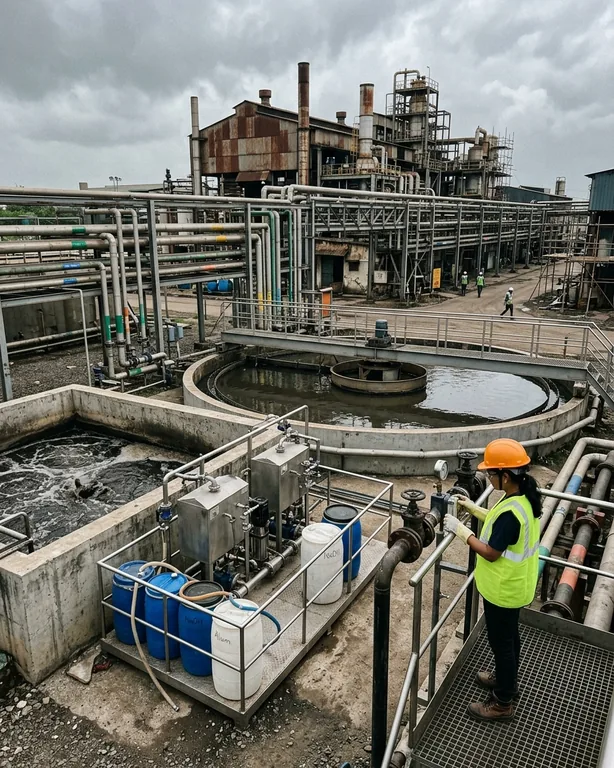
A typical STP/ETP treatment line moves from screening (Rotary Rake Bar Screen) → surface clean-up (Floating Scum Remover) → mixing and aeration (Submersible Mixer + Jet/Radial/Push Flow Aerator, with Micro/Super-Nano Bubble Generators for higher-performance needs) → clear water recovery (Decanting Pump) → solids handling (Solid-Liquid Separator). Our engineering team sequences and sizes this line around your specific site.

Already running a plant? Many of our products (aerators, mixers, decanting pumps) are supplied as upgrades or replacements within existing treatment infrastructure, not only as part of new plant builds.

Request a Product Spec Sheet

Built around your site

Sized to Your Site

Sizing is based on your channel width, tank depth, and flow/treatment capacity — our engineering team assesses these before recommending a model.

Variable 01 / 03

Channel Width

Rotary Rake Bar Screens come in channel widths from 800mm to 3000mm and depths up to 15m, matched to the channel on your site.

Variable 02 / 03

Tank Depth

Aerators and mixers are tailored to tank type and depth — 2 to 6m for our aerators, from small equalization tanks to large-scale lagoons.

Variable 03 / 03

Treatment Capacity

Flow and treatment capacity set the scale — for residential, commercial, and industrial applications.

Who this is for

Applications

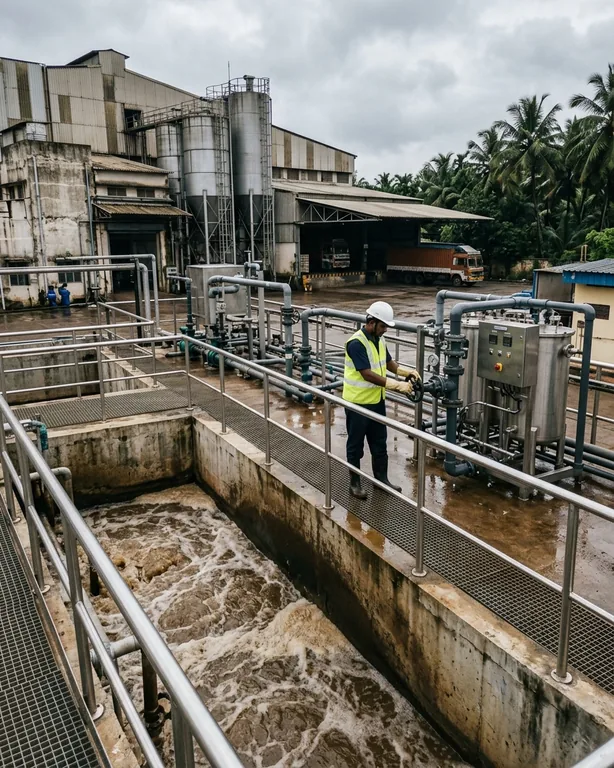
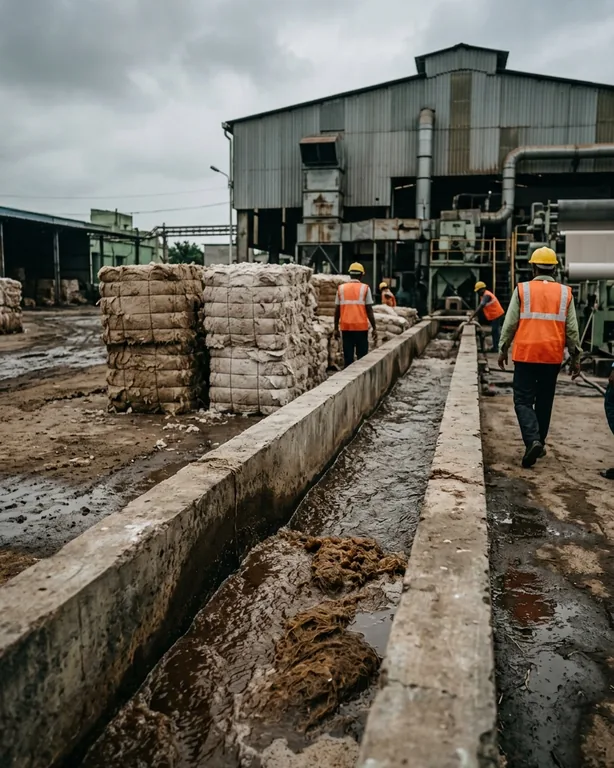
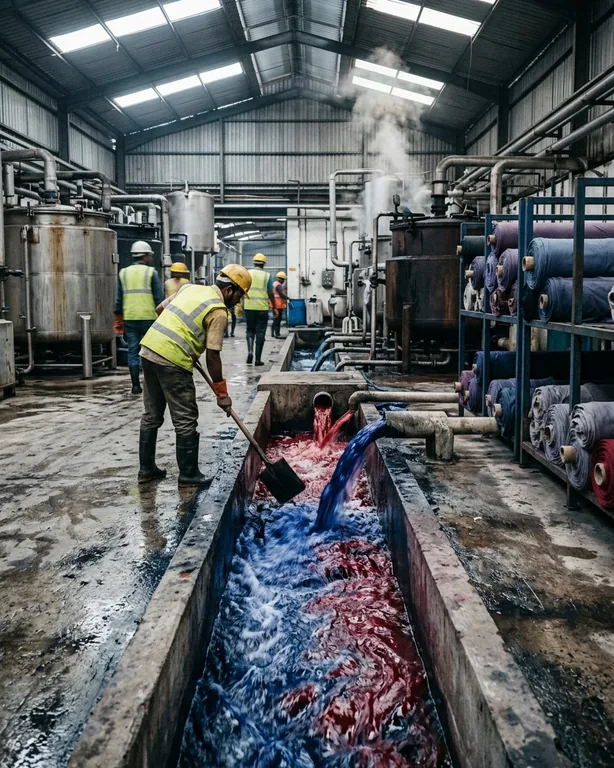
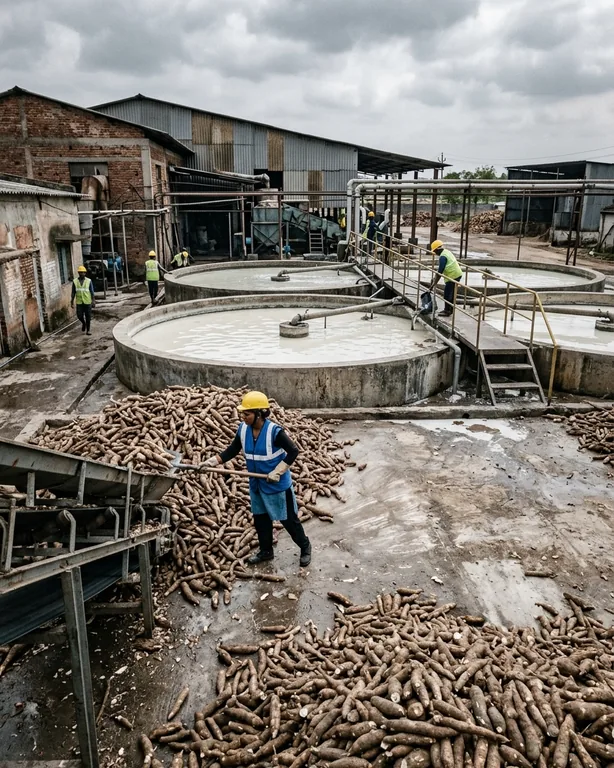
STPs treat municipal, residential and commercial sewage; ETPs treat industrial process effluent. Many sites need both.

See the full Industries We Serve page →

Common questions

Frequently Asked Questions

Answer 01

Both — see STP/ETP Products for standalone equipment (screens, aerators, mixers, decanting pumps, separators), or request a site assessment for a fully engineered treatment sequence.
Answer 02

Yes — many of our products (aerators, mixers, decanting pumps) are supplied as upgrades or replacements within existing treatment infrastructure, not only as part of new plant builds.
Answer 03

STPs are typically used for municipal or residential/commercial sewage; ETPs are used for industrial process effluent — food & beverage, textile & dyeing, chemical & pharmaceutical, paper & pulp, and similar sectors. Many sites need both.

Answer 04

Sizing is based on your channel width, tank depth, and flow/treatment capacity — our engineering team assesses these before recommending a model.

Answer 05

Jet Aerators use the venturi-nozzle principle and suit small-to-medium sewage plants up to 6m depth; Radial Aerators are self-aspirating and easy to install even in flooded tanks; Push Flow Aerators combine fine-bubble aeration with mixing and circulation, and are commonly used for ponds, lakes, and landscape water features rather than industrial tanks.