
STP / ETP Equipment · Floating Scum Remover
Floating Scum Remover
Floating Scum Remover
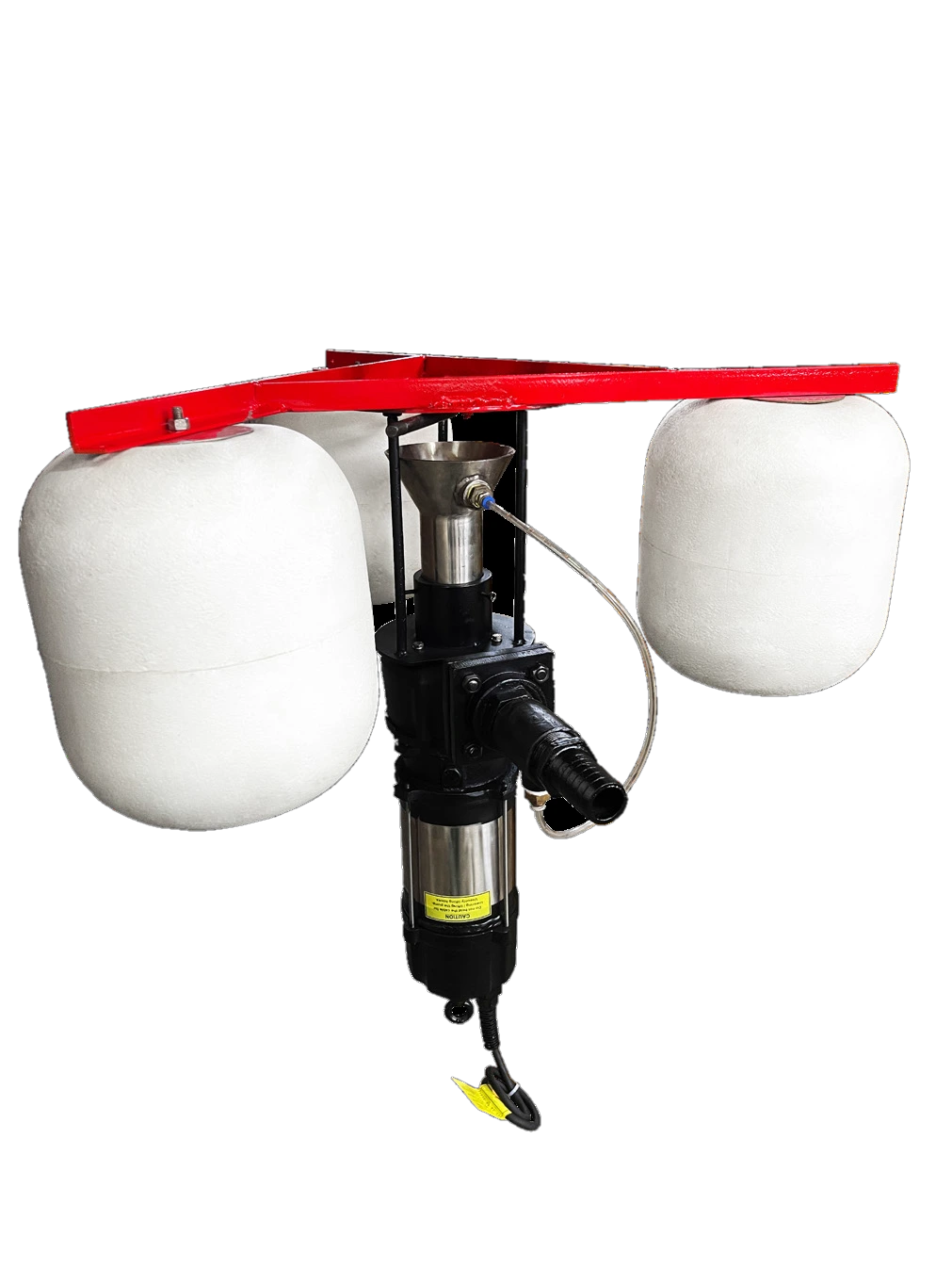
Designed to efficiently collect and remove floating grease, oil, foam, scum, and other surface contaminants from water and wastewater treatment systems — keeping surface contamination from interfering with biological treatment downstream.
- Rating
- 0.75 – 1.1 kW
- Discharge pipe
- 50 / 65 mm
- Max solids
- 15 – 20 mm
- Starting
- D.O.L.
What it’s for
Skims the Surface, Protects What's Below
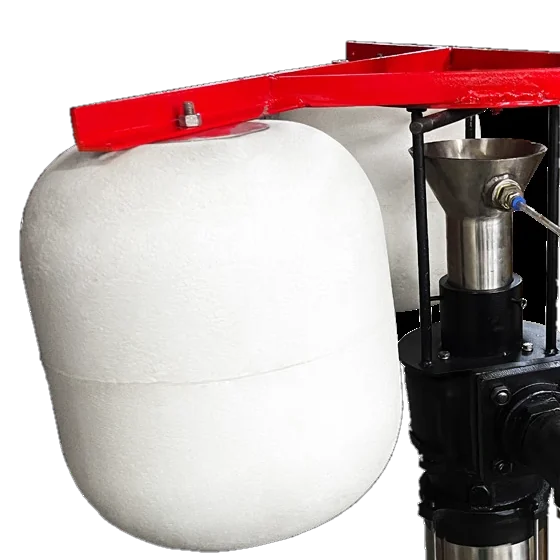
Three flotation buoys keep the skimmer riding at the water's surface, drawing off grease, oil, foam and scum before it can interfere with biological treatment stages downstream.
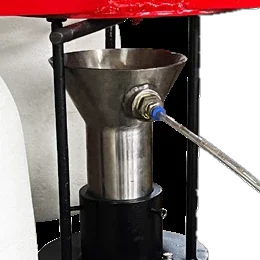
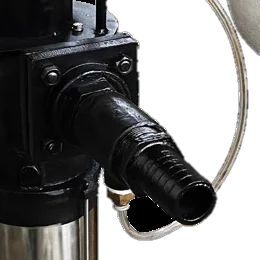
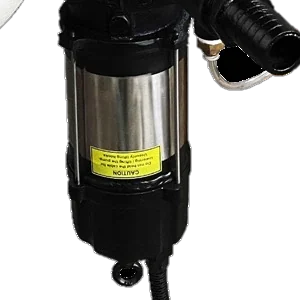
A submersible pump beneath the float discharges the collected surface layer through a fixed outlet, with a 6-metre cable and a suggested operating range of 10–50 mm below the surface.
Construction
How It’s Built
Specifications
Technical Data
- PSR 50-1.0
- 0.75 kW / 1.0 HP · 50 mm discharge · 15 mm max solids
- PSR 65-1.5
- 1.1 kW / 1.5 HP · 65 mm discharge · 20 mm max solids
Model range
- Phase
- 1 & 3
- Speed
- 2800 rpm
- Product size (H × D)
- 400 × 650 mm
- Starting method
- D.O.L.
- Cable length
- 6 m
- Suggested operating range
- 10 – 50 mm below surface
- Overall width across the floats
- 900 mm
- Overall length, outlet to floats
- 730 mm
Common specifications
Applications
Where It’s Specified
Sewage and effluent treatment plants — primary & secondary clarifiers, equalization and sedimentation tanks, and Dissolved Air Flotation (DAF) systems.
Wastewater lagoons and oxidation ponds, and dedicated oil & grease separation systems.
Food & beverage processing, pulp & paper, and chemical & pharmaceutical wastewater treatment.
Water recycling and reuse facilities, where surface contaminants must be cleared before treated water is reused.
Common questions
Frequently Asked Questions
Which model do we need?
PSR 50-1.0 suits discharge pipework up to 50 mm and solids to 15 mm; PSR 65-1.5 steps up to a 65 mm discharge and 20 mm solids — sized against your tank’s surface load.
Where is it typically installed?
Anywhere floating surface contaminants need removing ahead of biological treatment — clarifiers, equalization and sedimentation tanks, DAF systems, and oxidation lagoons are the most common.