
STP / ETP Equipment · Micro-Nano Bubble Generator
Micro-Nano Bubble Generator
Advanced Oxygenation
Generates ultra-fine micro and nano bubbles that raise dissolved oxygen with high interfacial activity — and, as they collapse, release hydroxyl radicals that help break down organic pollutants. For sites that need more than standard aeration delivers.
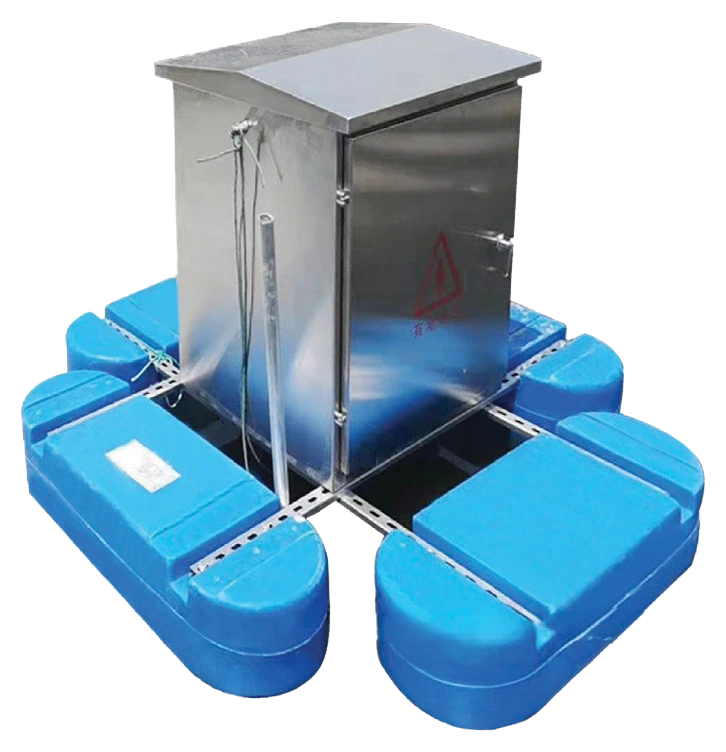
- Power
- 0.75 – 9 kW
- Oxygenation
- 2.0 – 24 kgO₂/h
- Circulation
- 120 – 1230 m³/h
- Speed
- 2850 rpm
What it’s for
Oxygen Transfer, Plus Oxidation
Bubbles this fine behave differently from ordinary aeration. Their high interfacial activity raises dissolved oxygen levels for improved biological processes, and when micro-nano bubbles collapse they produce highly reactive hydroxyl radicals (•OH) that help oxidize and break down organic pollutants — improving water quality, reducing contaminants and enhancing clarity.
The same bubbles help separate what is suspended in the water: they facilitate the removal of suspended solids, colloids, oils and flocs, and improve activated sludge separation for better overall treatment efficiency. The generator suits flotation, coagulation, wastewater treatment and industrial water purification, with consistent performance and optimised oxygen use.
Construction
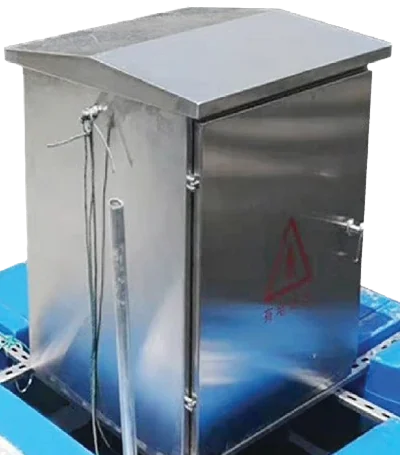
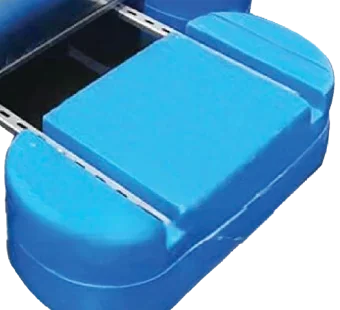
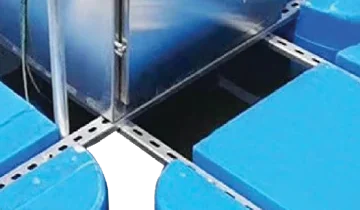
How It’s Built
Specifications
Technical Data
- P-MNG750
- 0.75 kW · 220 / 380 V, 50 Hz · 2.0 – 3.0 kgO₂/h · 120 m³/h circulation
- P-MNG1200
- 1.2 kW · 220 / 380 V, 50 Hz · 2.4 – 3.2 kgO₂/h · 150 m³/h circulation
- P-MNG1500
- 1.5 kW · 220 / 380 V, 50 Hz · 3.2 – 4.0 kgO₂/h · 200 m³/h circulation
- P-MNG2200
- 2.2 kW · 220 V, 50 Hz · 4.0 – 5.0 kgO₂/h · 250 m³/h circulation
- P-MNG3000
- 3.0 kW · 380 V, 50 Hz · 6.5 – 7.2 kgO₂/h · 390 m³/h circulation
- P-MNG4000
- 4.0 kW · 380 V, 50 Hz · 7.5 – 9.0 kgO₂/h · 440 m³/h circulation
- P-MNG5500
- 5.5 kW · 380 V, 50 Hz · 9.3 – 12 kgO₂/h · 650 m³/h circulation
- P-MNG7500
- 7.5 kW · 380 V, 50 Hz · 12 – 18 kgO₂/h · 930 m³/h circulation
- P-MNG9000
- 9.0 kW · 380 V, 50 Hz · 18 – 24 kgO₂/h · 1230 m³/h circulation
Performance chart — nine models
- Rotational speed
- 2850 rpm
- Supply
- 50 Hz — 220 V or 380 V, by model
- Bubbles
- Ultra-fine micro and nano bubbles
- Oxidation
- Hydroxyl radicals (•OH) released as bubbles collapse
Common specifications
Applications
Where It’s Specified
Industrial wastewater treatment, including flotation and coagulation, where fine bubbles help remove suspended solids, colloids, oils and flocs.
Domestic sewage treatment, raising dissolved oxygen for the biological process and improving activated sludge separation.
Black and odorous water bodies, where hydroxyl radicals help break down organic pollutants and restore clarity.
Deep-drain wastewater from rivers and lakes, and aquatic ecosystem restoration.
Common questions
Frequently Asked Questions
When do we need this instead of a standard aerator?
When a site needs higher dissolved-oxygen performance or pollutant breakdown — black and odorous water bodies, deep-drain wastewater, or advanced solid-liquid separation — beyond what standard aeration typically achieves. For conventional tank aeration, see the jet and radial aerators.
Micro-Nano or Super-Nano?
Micro-Nano covers the wider range — nine models from 0.75 to 9 kW, up to 24 kgO₂/h and 1230 m³/h. The Super-Nano runs at 8500 rpm to produce a higher concentration of nanometre-range bubbles that stay suspended longer, in six models from 0.75 to 4 kW.
What do hydroxyl radicals do?
When micro-nano bubbles collapse they produce hydroxyl radicals (•OH), which are highly reactive. They help oxidize and break down organic pollutants in the water — the reason these generators improve water quality, not just oxygen levels.