Designed for every home and commercial kitchen — disposers that grind
food waste in seconds and flush it down the drain, for better hygiene, convenience, and
environmentally responsible waste handling.
Point innovates at-source waste reduction through advanced food waste disposers for residential and commercial kitchens. Our solutions promote hygiene, convenience, and environmentally responsible waste handling — from the home kitchen sink to the busiest commercial pot wash.
Three domestic disposers for the kitchen sink, and two commercial
crusher series built to handle high-volume food waste with power and precision — each one sized to how
much waste you handle, and where it has to fit.
01
Stage 01
Home Kitchens
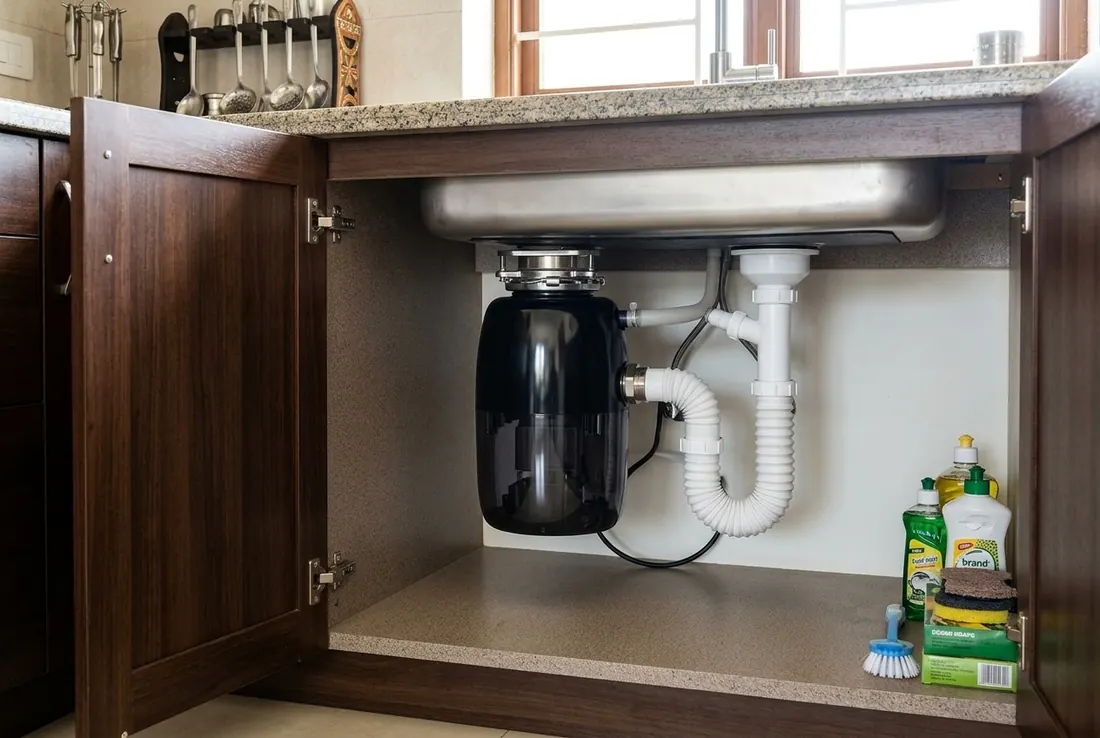
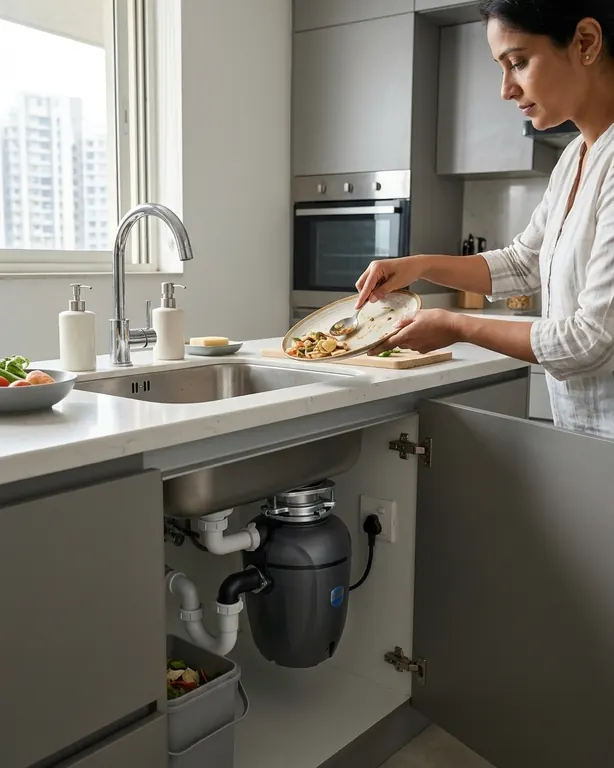
CD 500 fits under the kitchen sink: heavy-duty blades and a three-layer
grinding system take 1000 ml of food scraps down the drain in seconds, leaving the kitchen clean, dust
free, germ free and odour free.
CD 750 is 550 W with a powerful seventh-generation, six-stage grinding
system and a smart remote-control switch for easier installation and convenient use — 1200 ml.
CD 1000 pairs a 750 W motor, with instantaneous power up to 1080 W, with
nine-level grinding in full stainless steel — and an intelligent management system that adjusts its
power, troubleshoots itself and saves energy. 1400 ml.
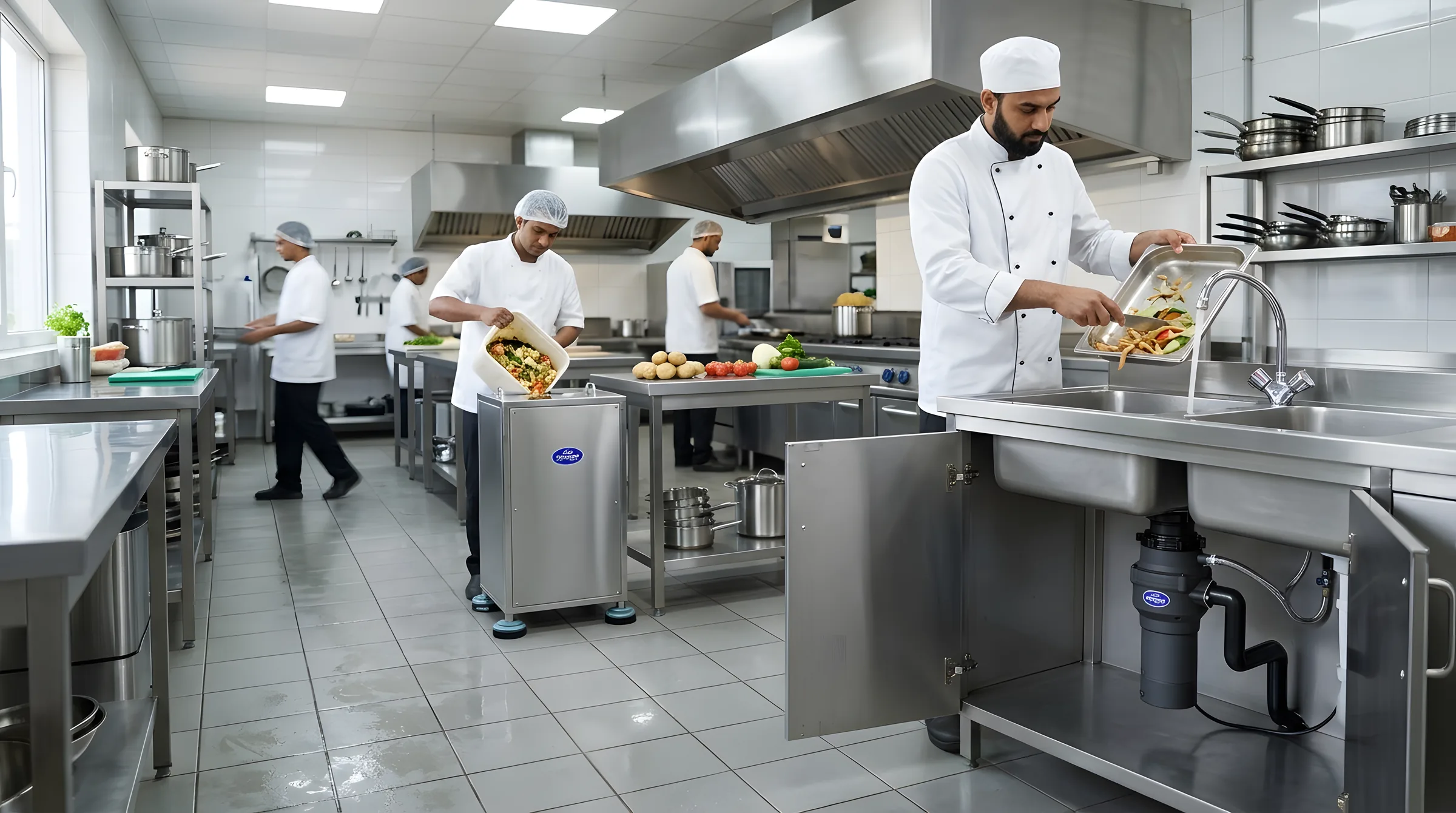
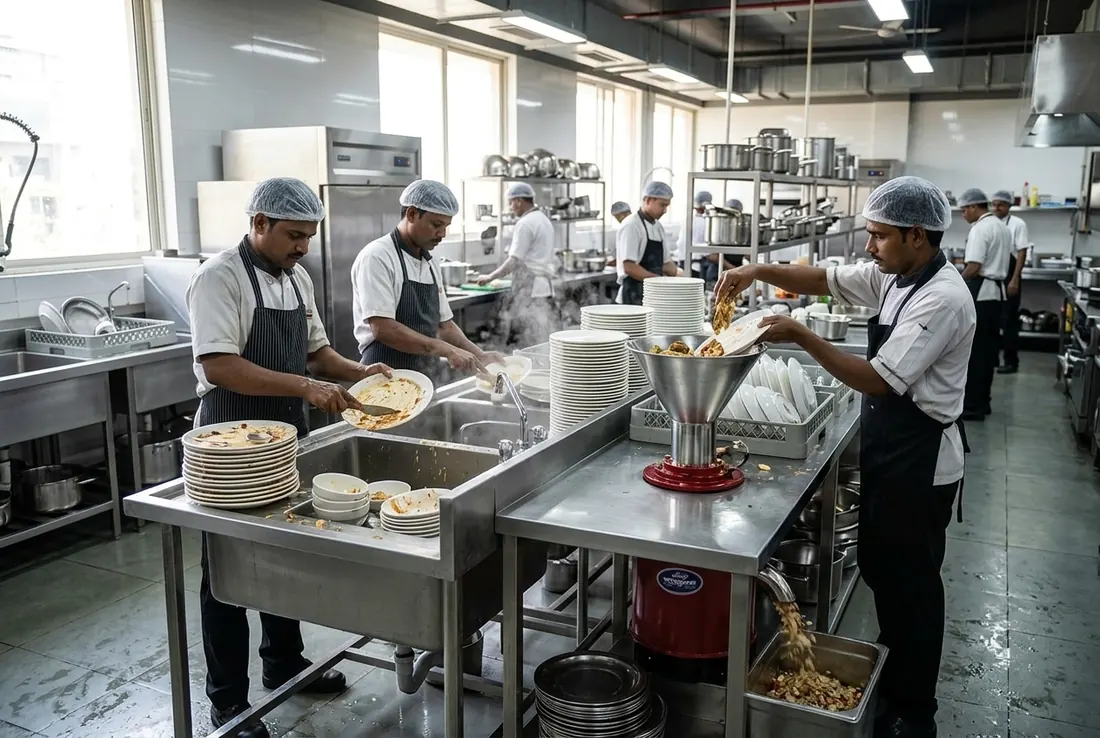
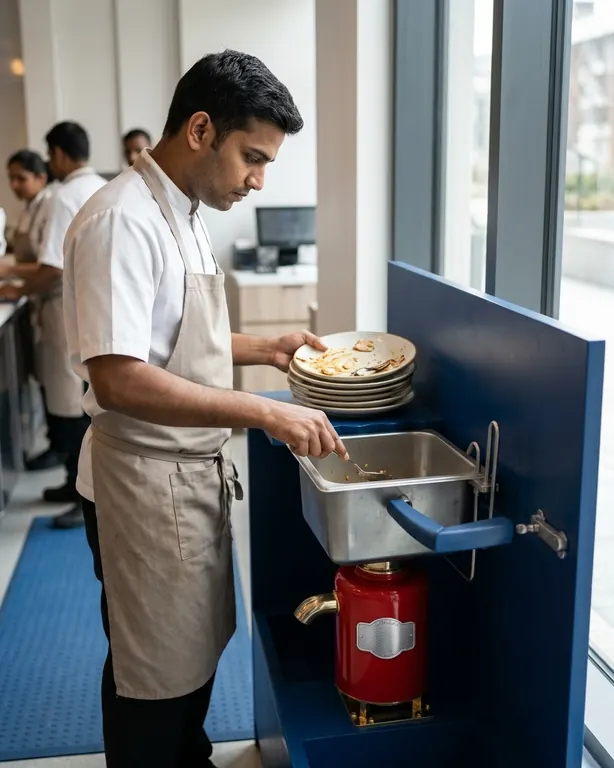
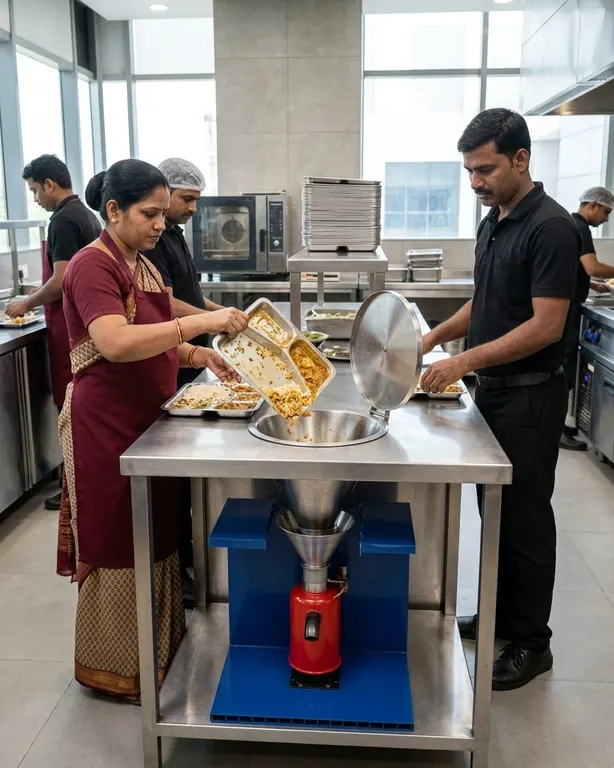
The Tabletop series fits the kitchen and working area as they are: TM mounts
on the sink, TB and TC come with a cone and cover for the table or working area. Seven models, 300 to
1500 kg/hr.
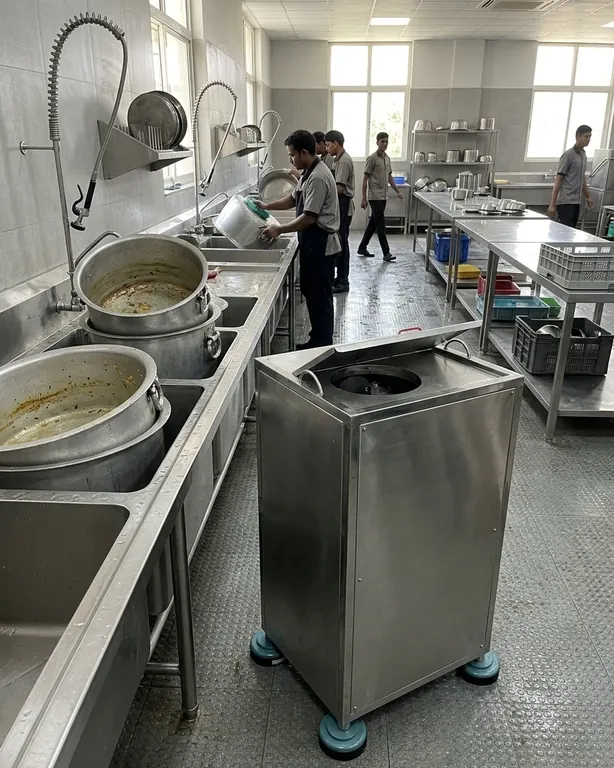
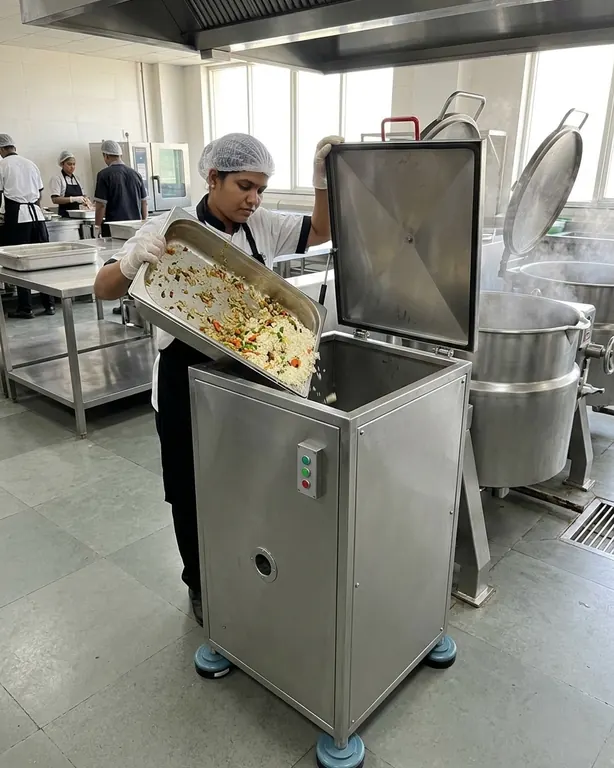
The Standalone series are independent SB and SC cabinets, delivered ready to
connect to existing flushing water, drainage and electrical supplies — for larger amounts of food waste
and long periods of continuous running.
Designed for Energy Efficiency and Long-Lasting
Durability
No bin of scraps by the sink.Ground and gone in seconds.
Point’s disposers come from The Sharp Group, with over 60 years of
manufacturing and engineering expertise behind them. Grinding parts are stainless steel, the commercial
covers carry a limit switch that stops the crusher the moment they’re lifted, and the commercial series
come in three inlet sizes and several mounting variants — so a disposer becomes part of the kitchen
without any change to its layout.
Three-layer to nine-level grinding300–1500 kg/hrEnergy-efficientThree-layer to nine-level grinding300–1500
kg/hrEnergy-efficient
Built around your kitchen
Sized to Your Kitchen
The right disposer depends on how much food waste you handle, how tough
it is, and where it has to fit — our team recommends a model before you buy.
Variable 01 / 03
Volume
Domestic disposers hold 1000 to 1400 ml; commercial crushers handle 300 to
1500 kg an hour. A larger model suits a disposer that runs for one to two hours without stopping.
Variable 02 / 03
Type of Waste
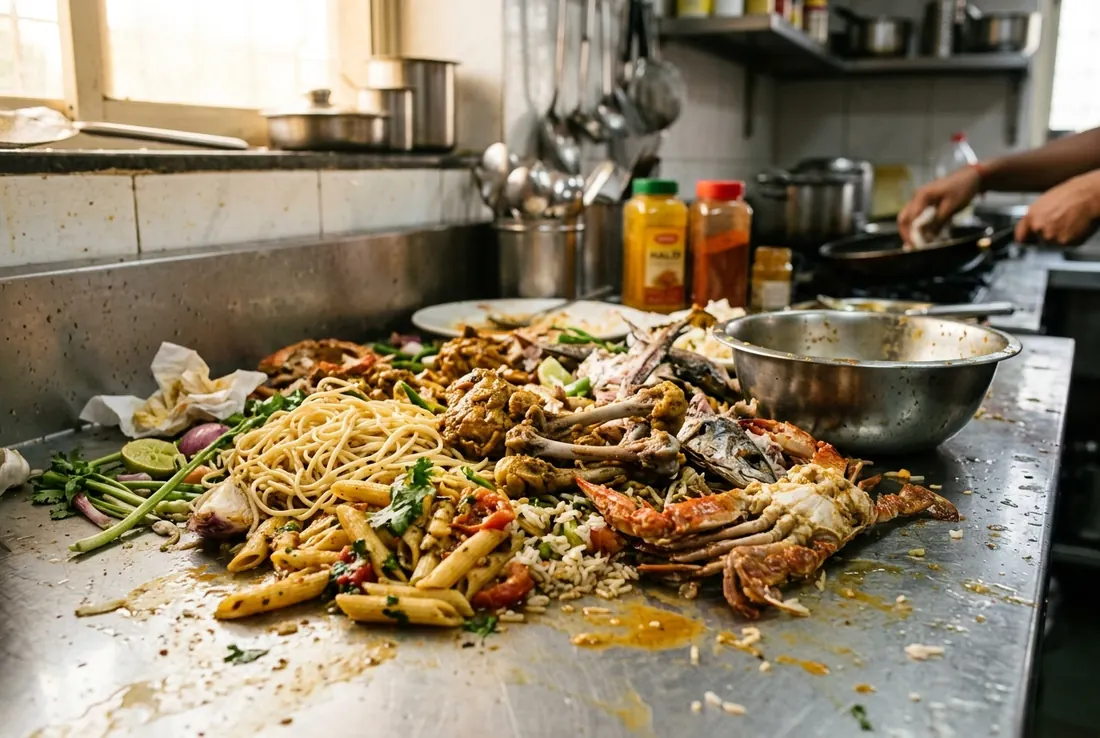
Plate leftovers, pasta and chicken bones suit every commercial model;
medium bones and crab shells need a 3 HP model or larger, and any type of bone the larger-inlet “A”
models.
Variable 03 / 03
Where It Fits
Under the sink at home; on the sink, table or working area with the
Tabletop series; or as a Standalone cabinet plumbed into existing water, drainage and power.
Who this is for
Applications
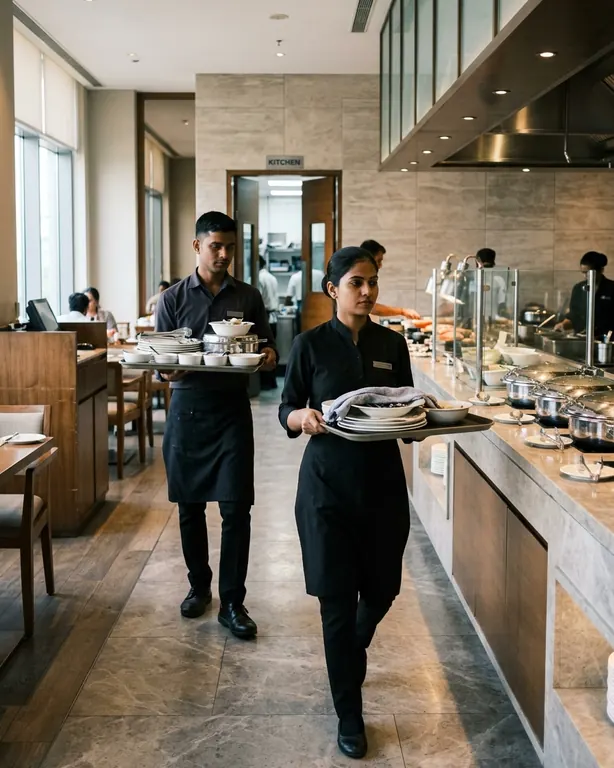
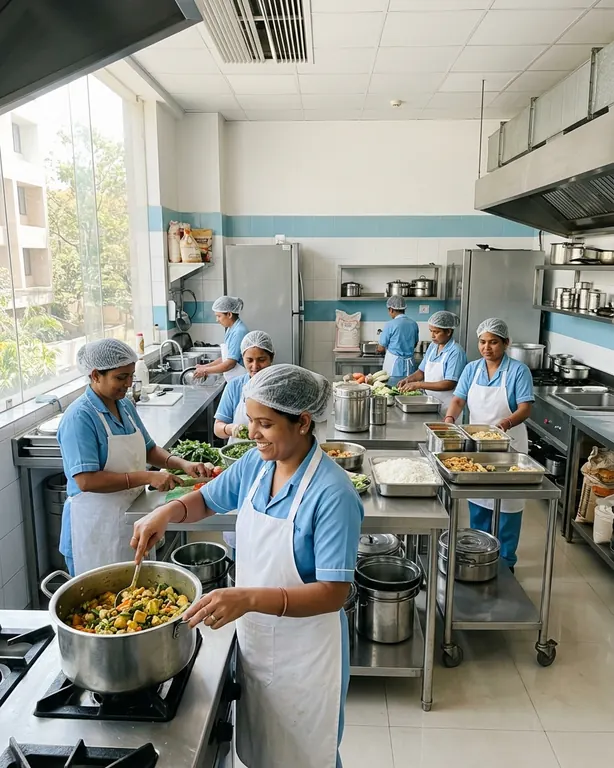
Wherever food waste is generated — a home kitchen sink, a hotel’s cold
buffet, a canteen’s pot wash station — a disposer deals with it at source.
All three fit under the kitchen sink on an 80 mm sink flange. CD 500 (1000 ml, three-layer grinding) is the entry model; CD 750 (1200 ml, six-stage grinding, remote-control switch) is the best choice for small households; CD 1000 (1400 ml, nine-level grinding, intelligent management system) is the top of the range.
Answer 02
Choose by the toughest waste it will see. Plate leftovers, meat and fish scraps, chicken bones and pasta suit every model; medium bones and crab shells need a 3 HP model or larger; any type of bone, the larger-inlet “A” models; and a central station handling large amounts, the 5 HP models and up. Between two models, choose the larger — especially if it will run for one to two hours without stopping.
Answer 03
No. The Tabletop series fits the kitchen and working area as they are — on the sink, or in the table with its own cone and cover — and the Standalone series is delivered ready to connect to existing flushing water, drainage and electrical supplies.
Answer 04
Often not. Several smaller units placed close to each work station, instead of one larger model shared between them, keep food waste from being carried across the kitchen.
Answer 05
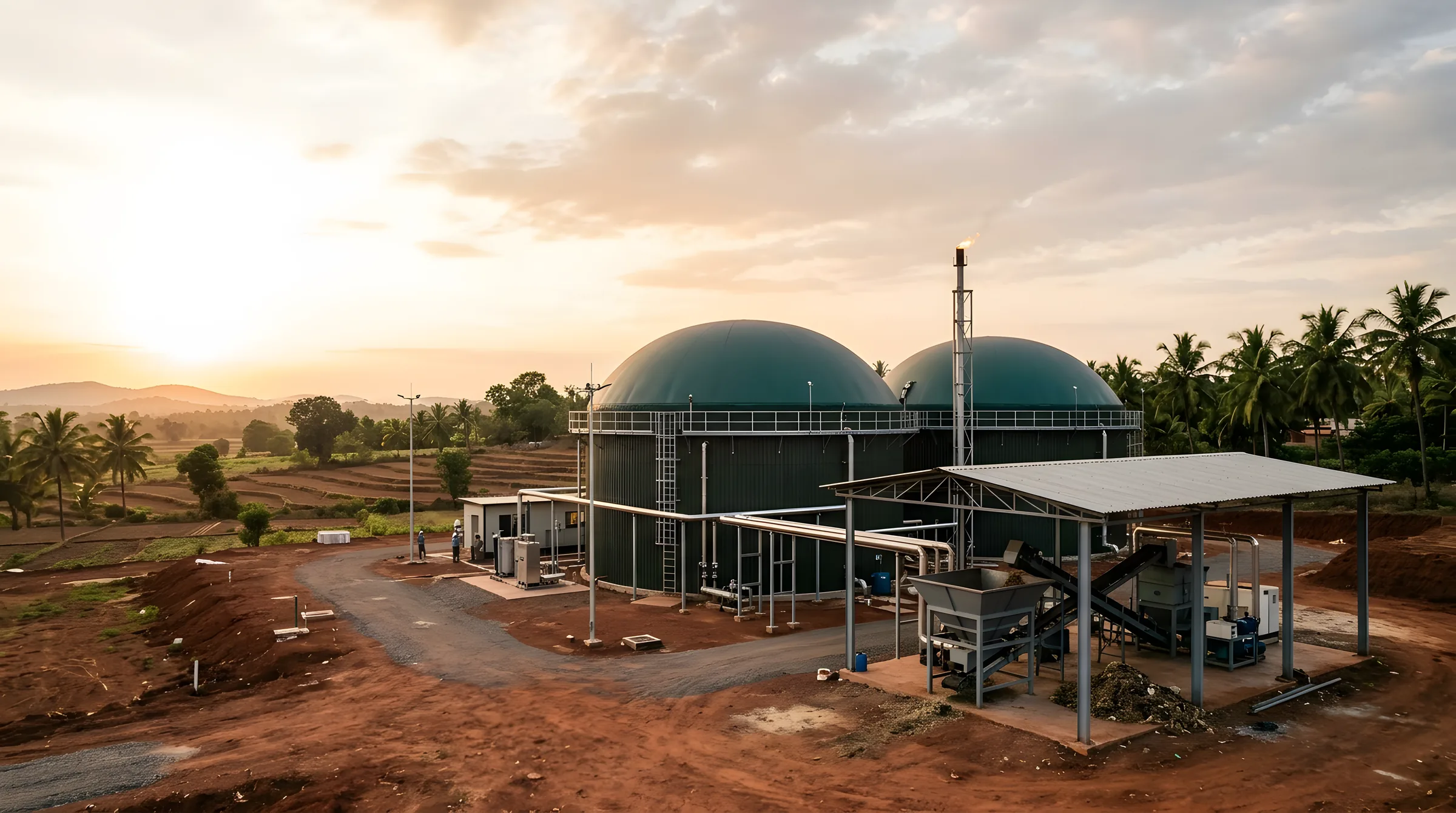
Yes — commercial crushers can be part of a centralized pre-processing line feeding a biogas system. See Biogas for how Point prepares food waste for digestion.