
STP / ETP Equipment · Push Flow Aerator
Push Flow Aerator — PAF Series
Bottom Aeration & Circulation
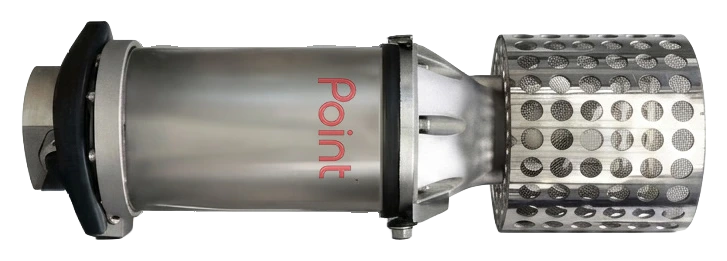
High-efficiency bottom aeration with fine micro-bubbles of around 1.5 mm, combining aeration, mixing and circulation for complete water-body rejuvenation — for ponds, lakes and landscape water troubled by stagnation, odour or algae.
- Motor power
- 1 – 4 HP (0.75 – 3 kW)
- Oxygenation
- 1.6 – 5.3 kgO₂/h
- Circulation
- 280 – 720 m³/h
- Bubble size
- ~1.5 mm
What it’s for
Bringing Still Water Back to Life
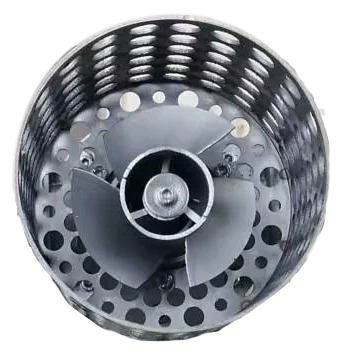
In still water, oxygen at the bottom runs low — sludge builds up, foul odours and harmful gases form, and algae take hold. A push flow aerator works from the bottom up: it releases fine micro-bubbles of around 1.5 mm and drives a circulating flow at the same time, raising bottom oxygen levels so the water body’s own self-purification recovers.
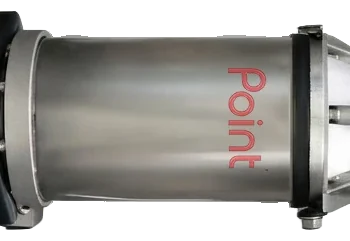
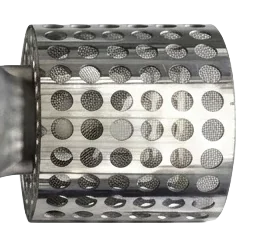
The submersible motor runs quietly and smoothly, and the stainless steel and high-strength plastic construction resists corrosion for continuous duty with little maintenance. The spray angle adjusts up to 60°, and the installation depth is flexible to suit the water body.
Construction
How It’s Built
Specifications
Technical Data
- PAF-1.0
- 0.75 kW / 1.0 HP · 220 / 380 V · 19 kg · 1.6 – 1.9 kgO₂/h · 280 m³/h circulation · 14,000 m³/h induction
- PAF-2.0
- 1.5 kW / 2.0 HP · 220 / 380 V · 22.5 kg · 2.3 – 2.5 kgO₂/h · 450 m³/h circulation · 23,000 m³/h induction
- PAF-3.0
- 2.2 kW / 3.0 HP · 380 V · 26.5 kg · 3.5 – 4.5 kgO₂/h · 610 m³/h circulation · 24,500 m³/h induction
- PAF-4.0
- 3 kW / 4.0 HP · 380 V · 30.5 kg · 4.3 – 5.3 kgO₂/h · 720 m³/h circulation · 27,000 m³/h induction
Performance chart — four models
- Speed
- 2850 rpm
- Bubble size
- Fine micro-bubbles, around 1.5 mm
- Spray / flow angle
- Adjustable, up to 60°
- Installation depth
- Flexible
- Construction
- Stainless steel and high-strength plastics
- Motor
- Submersible — low noise, suited to continuous operation
Common specifications
Applications
Where It’s Specified
Landscape ponds and decorative water features, in parks, resorts, gated communities and commercial landscapes.
Artificial lakes, man-made rivers and small-to-medium water bodies that need circulation.
Water bodies with stagnation, odour or algae problems — raising bottom oxygen reduces sludge, foul odour, harmful gases and algal growth.
Ecological restoration and water quality improvement projects, strengthening the water body’s own self-purification.
Common questions
Frequently Asked Questions
Is it for treatment tanks or open water?
Mainly open water. Push flow aerators combine fine-bubble aeration with mixing and circulation, and are commonly used for ponds, lakes and landscape water features rather than industrial tanks. For treatment tanks, see the jet and radial aerators.
What does it do about algae and odour?
It raises oxygen levels at the bottom of the water body, where stagnation sets in. That strengthens natural self-purification and reduces sludge, foul odour, harmful gases and algal growth.
Which model do we need?
Four models run from 1 to 4 HP, circulating 280 to 720 m³/h. The choice follows the size of the water body and how much circulation it needs — tell us its area and depth and we’ll size it.