
Biogas Pre-Processing · Cruncher
Cruncher — Dry Waste
Dry Waste Cruncher
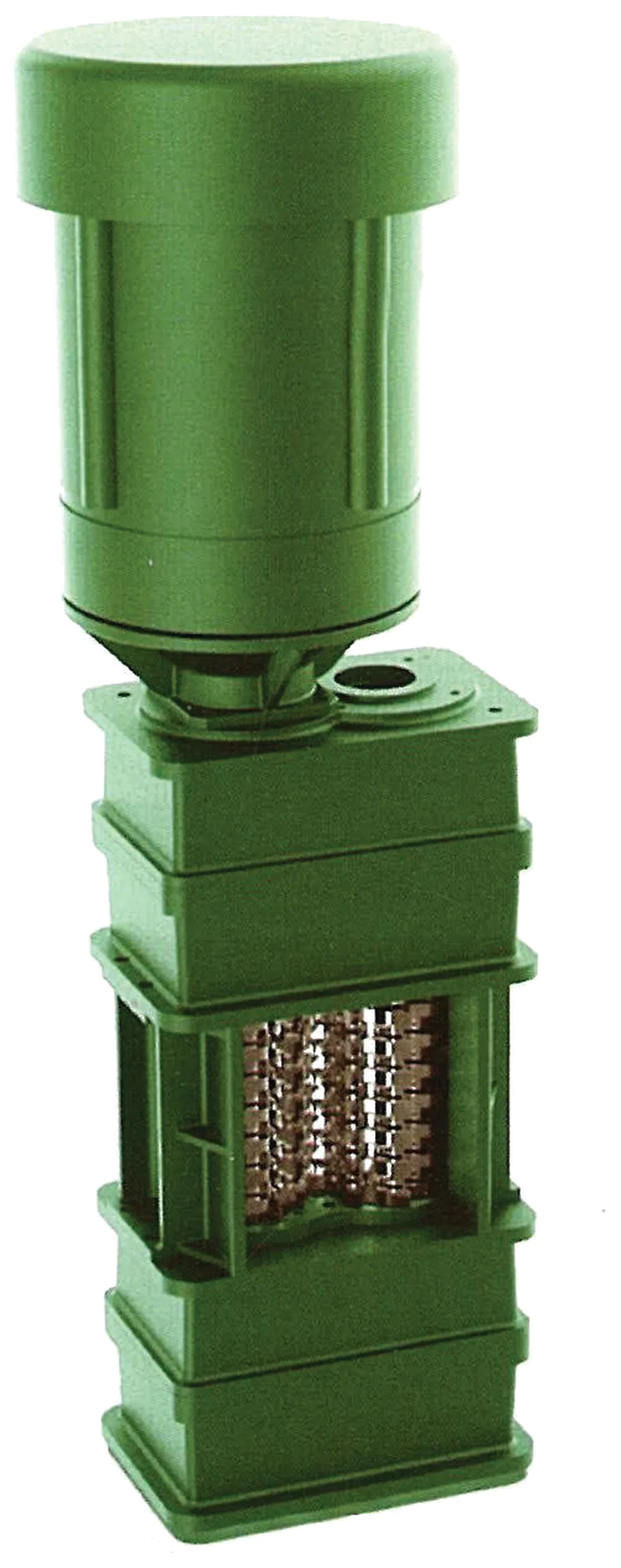
A hexagonal twin-shaft cruncher, counter-rotating with intermeshing cutters and spacers, for size-reduction crushing across a much wider variety of solids than a shredder handles — municipal solid waste, animal waste, industrial waste, food waste, organic waste and paper pulp. Three series from 3 to 10 HP, 400 to 1200 kg/hr.
- Output
- 400 – 1200 kg/hr
- Motor power
- 3 – 10 HP
- Cutter size
- 126 / 140 / 190 mm
- Series
- Light · Medium · Heavy
What it’s for
Twin Shafts, Intermeshing Cutters
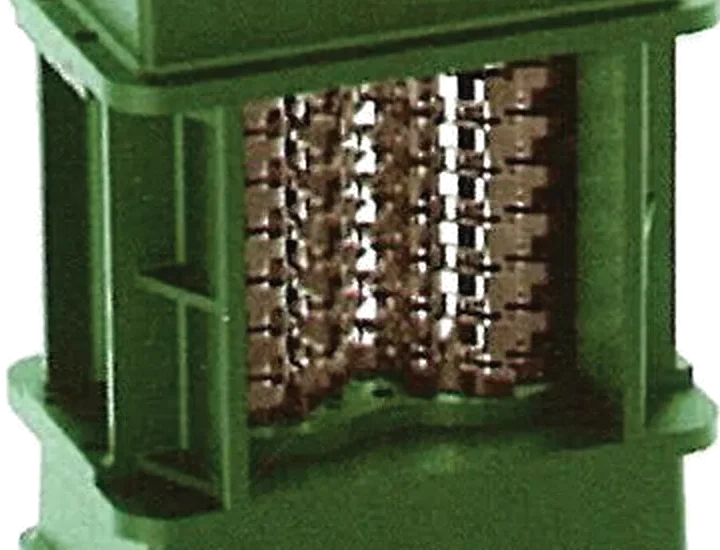
Two hexagonal shafts counter-rotate with intermeshing cutters and spacers between them, so solids are drawn in and reduced rather than pushed aside. Teeth configuration and cutter thickness are specified to suit the material being processed and the output size needed.
Flake size follows directly from the cutter: its shape sets the flake size, its thickness sets the flake width, and the distance between the cutter teeth hooks sets the flake length. The three series differ by cutter size — 126 mm on the Light, 140 mm on the Medium, 190 mm on the Heavy — with power and throughput rising accordingly.
Construction
How It’s Built
Specifications
Technical Data
- Cutter size
- 126 mm
- 3 HP (2.2 kW)
- 400 – 500 kg/hr · 1440 rpm
- 5 HP (3.7 kW)
- 600 – 700 kg/hr · 1440 rpm
- 7.5 HP (5.5 kW)
- 850 – 1000 kg/hr · 960 rpm
- 10 HP (7.5 kW)
- 900 – 1200 kg/hr · 960 rpm
- Cutter size
- 140 mm
- 5 HP (3.7 kW)
- 600 – 700 kg/hr · 1440 rpm
- 7.5 HP (5.5 kW)
- 850 – 1000 kg/hr · 960 rpm
- 10 HP (7.5 kW)
- 900 – 1200 kg/hr · 960 rpm
- Cutter size
- 190 mm
- 7.5 HP (5.5 kW)
- 850 – 1000 kg/hr · 960 rpm
- 10 HP (7.5 kW)
- 900 – 1200 kg/hr · 960 rpm
Light Series — 126 mm cutter
Medium Series — 140 mm cutter
Heavy Series — 190 mm cutter
- Shaft
- SS 431 or SS 440
- Cutters & spacers
- Chrome steel, hardened to 50 – 55 HRC
- Housing
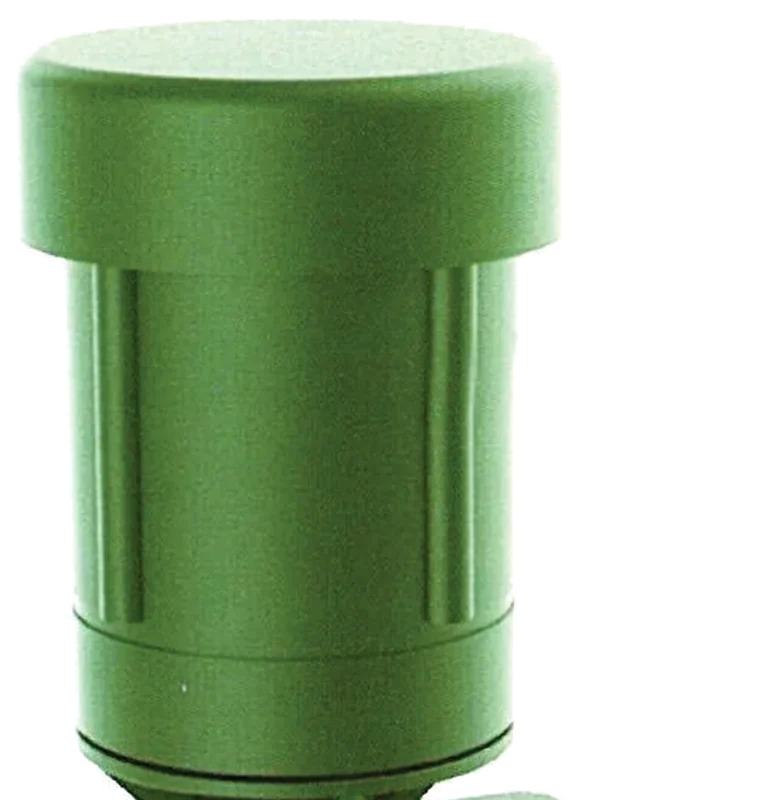
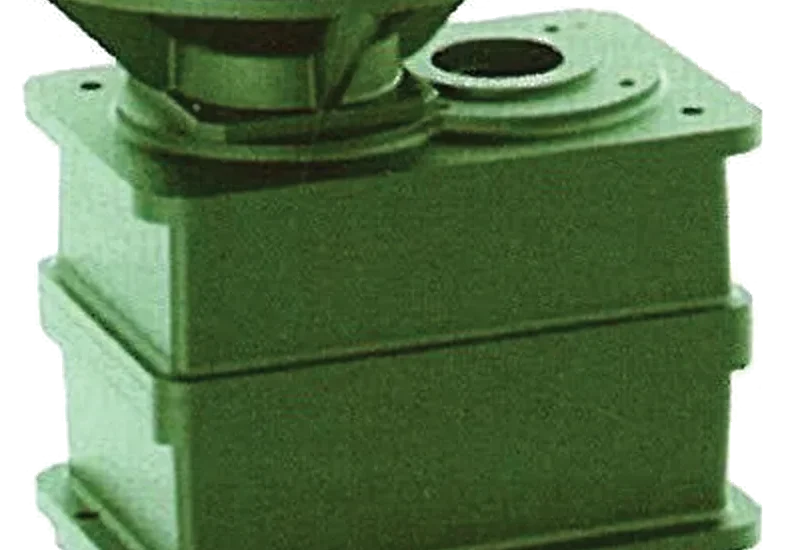
- Ductile cast iron
- Seal & bearing
- Single sleeve assembly — no seal flushing needed
- Gear chamber
- Gear chamber and bearing support sealed from the outside
- Special materials
- Available to customer requirement
- Scraper blades
- Keep the cutters clear, for better cutting
- Moving parts
- Few — less to wear and service
- Guide rails
- Guide rail systems available
- Cutters
- Special cutter designs to order
- Shaft
- Extended shaft configurations
- Motor
- Submersible variants · optional motor controller
Construction
Options
Applications
Where It’s Specified
Size reduction of mixed municipal waste streams ahead of sorting, composting or digestion.
Animal waste and farm residue, alongside the grass and straw shredder on sites handling both dry and high-fibre feedstock.
Industrial waste, food waste and organic waste where a wider variety of solids has to be reduced to a consistent size.
Pulp processing duties, with cutter teeth and thickness specified to the flake size required.
Common questions
Frequently Asked Questions
Which series do we need?
The series follows cutter size and duty: Light (126 mm) from 400 kg/hr, Medium (140 mm) from 600 kg/hr, Heavy (190 mm) from 850 kg/hr. All three reach 1200 kg/hr at the top of their range — the heavier series carry a thicker cutter for tougher material.
What determines the output size?
The cutter does. Its shape sets the flake size, its thickness sets the flake width, and the distance between the cutter teeth hooks sets the flake length — so teeth configuration and thickness are specified to your material and output requirement.
How is this different from the shredder?
The cruncher is a twin-shaft unit built for a much wider variety of solids — municipal, industrial and dry waste as well as organic. The grass and straw shredder is purpose-built for high-fibre biomass like Napier grass, rice straw and corn stalks.