
Sewage · Cutter Pump
PDC Series
Drainage Cutter Pump
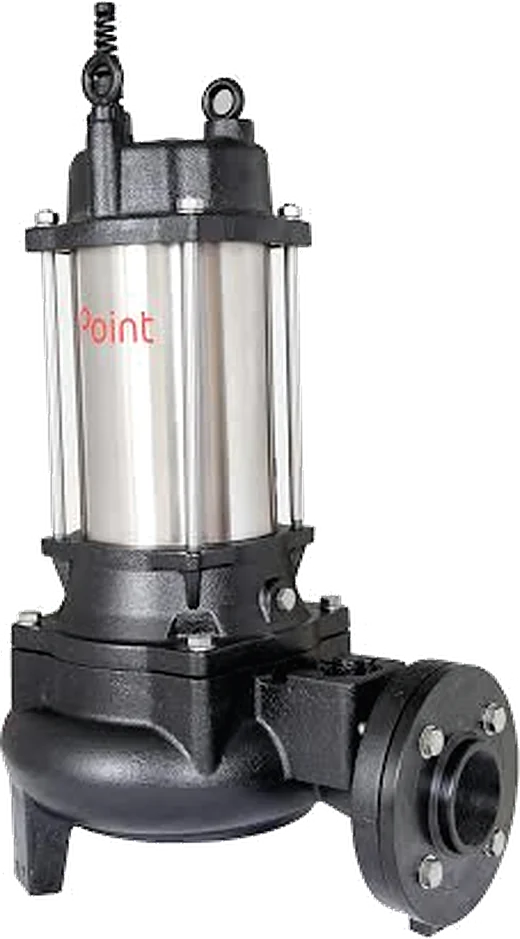
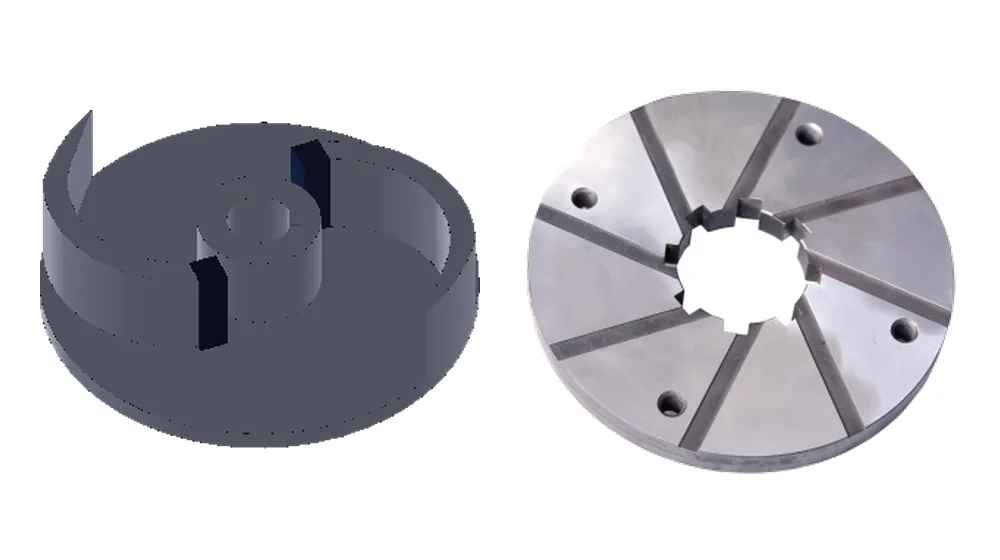
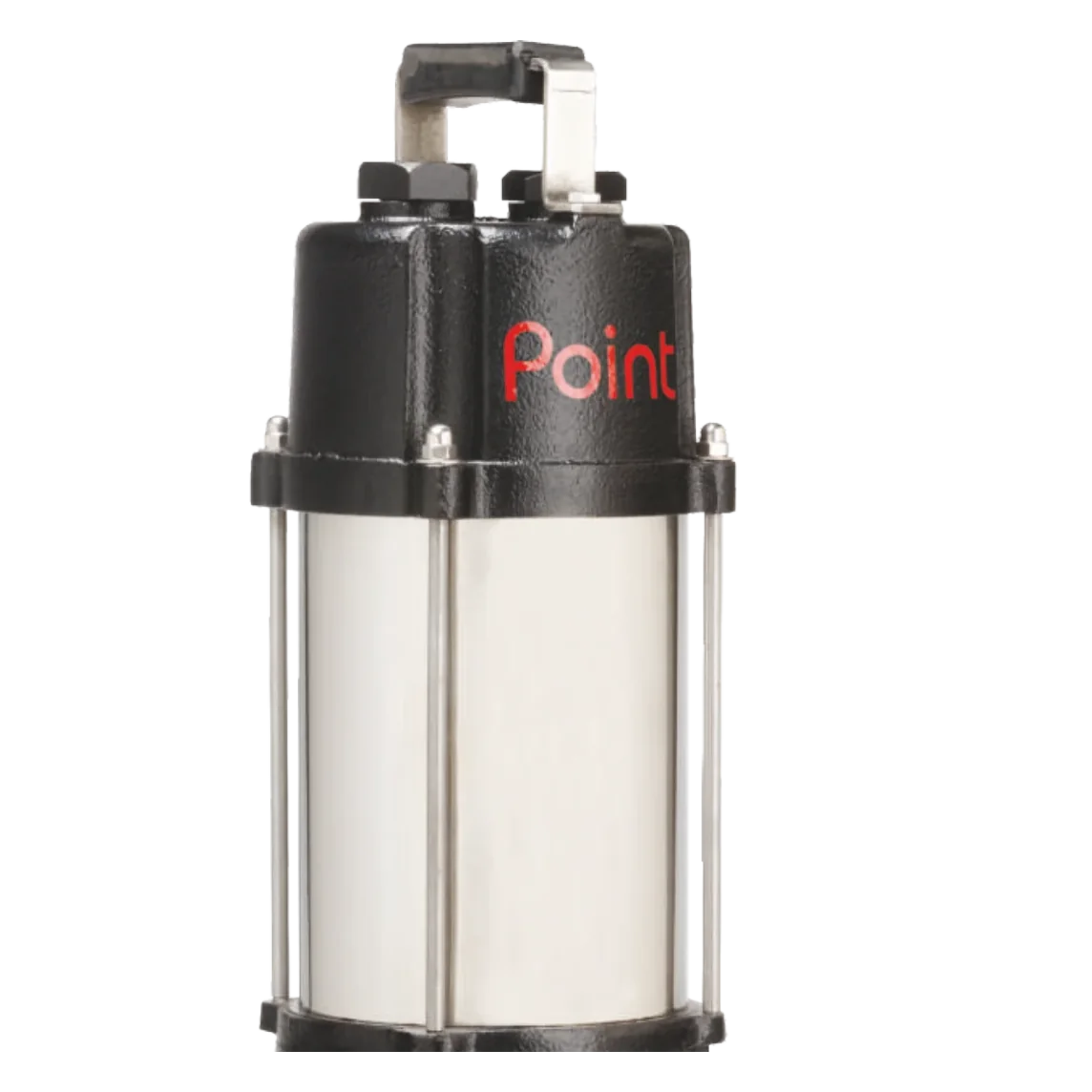
A drainage pump with a cutter at its inlet: a cutting impeller turns against a slotted stationary plate and shears rags, wipes and fibres before they can wrap the impeller or block the pipe. For drainage water and effluent in residential, commercial and industrial applications — 1 to 10 HP, single- and three-phase.
- Flow
- 3 – 150 m³/hr
- Max head
- 25 m
- Rating
- 1 – 10 HP
- Speed
- 1440 / 2880 rpm
What it’s for
Drainage That Doesn’t Stay Clean
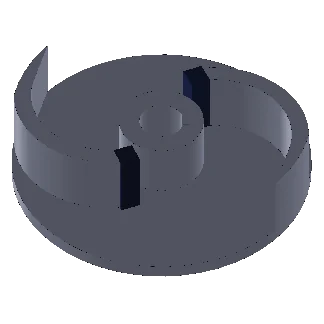
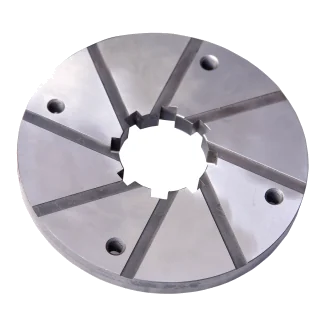
On paper, a sump collects drainage water. In practice it collects whatever goes down the drains with it — wipes, rags, hair, packaging fibres — and those wrap round an ordinary impeller until the pump trips or the line blocks. The PDC deals with them at the inlet: its cutting impeller turns against a stationary cutter plate, so long fibres are sheared into short pieces that pass through the pump and the pipe.
Twelve models across 50, 65, 80 and 100 mm discharge sizes, from 1 to 10 HP, cover flows from 3 to 150 m³/hr and heads up to 25 m. The 50 and 65 mm models run at 2880 rpm; the larger 80 and 100 mm models at 1440 rpm. The cutting impeller is hardened steel with carbide-tipped leading edges; the casing is FG 200 / GG 20, the motor IP68 with Class F insulation. For water that carries only soft solids, the PDS drainage pump does the job without a cutter; for heavy, fibrous sewage, the PC cutter pump.
Construction
How It’s Built
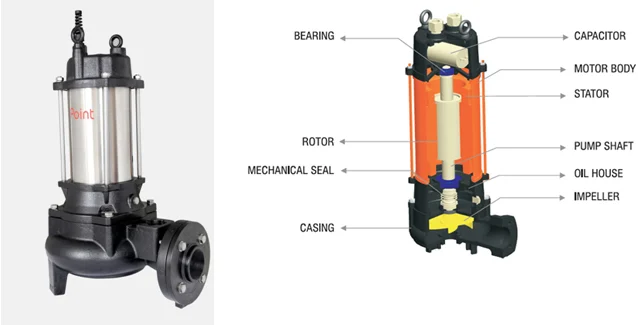
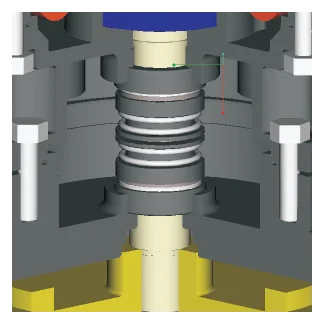
Five components — a submersible drainage pump with a cutting system built into its inlet.
Specifications
Technical Data
- Flow
- 3 – 150 m³/hr
- Maximum head
- 25 m
- Pumping medium
- Grey water, sump drainage, septic effluent — soft solids, hard dirt, rubber, resin and plastic
- Discharge sizes
- 50, 65, 80 and 100 mm
- Motor
- 1.0 – 10 HP (0.75 – 7.5 kW)
- Speed
- 2880 rpm · 1440 rpm on the 80 and 100 mm models
- Supply
- 230 V 1Ø · 415 V 3Ø, 50 Hz
- Protection
- IP68
- Insulation
- Class F
- Pump casing
- FG 200 / GG 20
- Impeller
- FG 200 / GG 20, steel castings · cutting impeller in hardened steel, carbide-tipped edges
- Cutting system
- Cutting impeller against a stationary slotted cutter plate
Hydraulics
Rating
Construction
- 50PDC-10-8-1.0
- 1.0 HP / 0.75 kW · 2880 rpm · A 50 · B 615 · C 487 · D 75 · E 130
- 50PDC-14-12-2.0
- 2.0 HP / 1.5 kW · 2880 rpm · A 50 · B 685 · C 557 · D 85 · E 180
- 65PDC-20-10-2.0
- 2.0 HP / 1.5 kW · 2880 rpm · A 65 · B 675 · C 595 · D 100 · E 130
- 80PDC-40-8-3.0
- 3.0 HP / 2.2 kW · 1440 rpm · A 80 · B 730 · C 620 · D 140 · E 230
- 80PDC-80-10-5.0
- 5.0 HP / 3.7 kW · 1440 rpm · A 80 · B 745 · C 615 · D 100 · E 160
- 100PDC-36-12-5.0
- 5.0 HP / 3.7 kW · 1440 rpm · A 100 · B 780 · C 650 · D 110 · E 170
- 100PDC-72-12-7.5
- 7.5 HP / 5.5 kW · 1440 rpm · A 100 · B 820 · C 710 · D 210 · E 370
- 100PDC-86-18-10
- 10 HP / 7.5 kW · 1440 rpm · A 100 · B 1080 · C 950 · D 230 · E 290
- 65PDC-20-24-5.0
- 5.0 HP / 3.7 kW · 2880 rpm · A 65 · B 720 · C 640 · D 100 · E 130
- 50PDC-24-15-3.0
- 3.0 HP / 2.2 kW · 2880 rpm · A 50 · B 640 · C 550 · D 100 · E 130
- 65PDC-18-18-3.0
- 3.0 HP / 2.2 kW · 2880 rpm · A 65 · B 640 · C 550 · D 100 · E 130
- 80PDC-26-12-3.0
- 3.0 HP / 2.2 kW · 2880 rpm · A 80 · B 680 · C 600 · D 100 · E 130
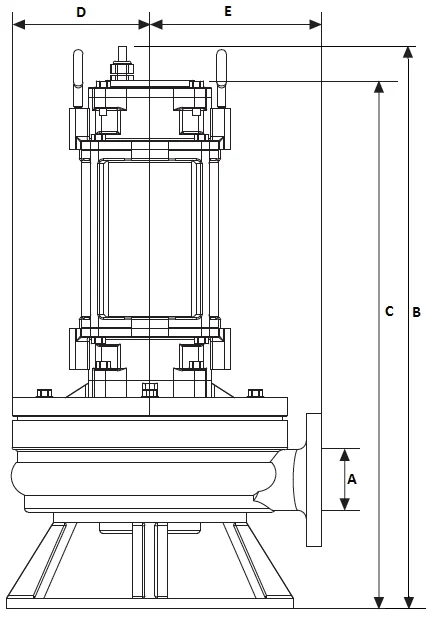
Models — motor · speed · dimensions in mm, letters as on the drawing
Applications
Where It’s Specified
Lifting drainage from basement sumps and lift pits in apartments, offices and malls, where wipes and rags from washrooms reach the pit along with the water.
Washroom and service drainage from buildings with many users — the places where fibrous waste turns up in the sump most often.
Moving effluent with fibrous content from collection pits into a sewage or effluent treatment plant, cut down before it reaches the screens and pumps downstream.
Site and process drainage in factories and workshops that carries hard dirt, rubber, resin or plastic, as well as packaging fibres, cloth and threads. See industries we serve →
Emptying sumps and pumping septic effluent with soft solids in suspension — the cutter keeps what’s settled from clogging the pump as it’s drawn back into the flow.
Compare
Drainage Pump, With or Without a Cutter?
The PDC, PDS and PC all move drainage and effluent. What decides between them is what the water carries — and how much of it.
-
PDC SeriesYou’re here
Drainage water and effluent carrying fibres and rags — a cutting impeller and cutter plate, 1–10 HP, up to 150 m³/hr and 25 m.
-
PDS Series — Drainage
The same job without a cutter — grey water, drainage and effluent with soft solids to 20 mm, up to 100 m³/hr and 30 m.
-
PC Series — Cutter
Hardened cutters for fibrous material, hard dirt and septic effluent — particles up to 135 mm, 2–300 m³/hr to 45 m.
-
PS Series — Sewage
Sewage, sludge and surface water carrying solid or fibrous material — particles up to 270 mm, 2–800 m³/hr to 45 m.
-
PG Series — Grinder
Grinder pump for sewage, sludge and effluent mixed with solid or fibrous material — 2–300 m³/hr to 45 m.
Common questions
Frequently Asked Questions
How do I read a PDC model name?
Left to right: the discharge size in mm, the series, then the duty point — flow in m³/hr and head in metres — and the motor in HP. 65PDC-20-24-5.0 is a 65 mm pump delivering about 20 m³/hr at 24 m head on a 5 HP motor.
PDC or PDS — which do we need?
If the water carries only soft solids, the PDS Series is enough. If wipes, rags, hair or other fibres reach the sump — washrooms in public buildings, hotels, hospitals — choose the PDC, whose cutter keeps them from wrapping the impeller. For heavy sewage with hard dirt and large solids, the PC Series.
Why do some models run at 1440 rpm?
The larger 80 and 100 mm models — 80PDC-40-8-3.0, 80PDC-80-10-5.0, 100PDC-36-12-5.0, 100PDC-72-12-7.5 and 100PDC-86-18-10 — run at 1440 rpm for their bigger flows; the 50 and 65 mm models run at 2880 rpm. The speed comes with the model you choose.
Is there a single-phase version?
Yes — the series is built for 230 V single-phase and 415 V three-phase 50 Hz supplies. Tell us the supply at your site when you enquire, and we’ll confirm the model.
How do we service it without entering the sump?
Install it on an auto-coupling system. The pump lifts out on guide rails with no flange bolting and no sump entry, and its own weight reseals the connection on the way back down.