
STP / ETP Equipment · Super-Nano Bubble Generator
Super-Nano Bubble Generator
High-Concentration Nano Bubbles
Generates a high concentration of ultra-fine micro and nano bubbles, down to the nanometre range, for maximum dissolved oxygen — bubbles that rise slowly, stay suspended longer and dissolve gradually, for maximum oxygen utilization with minimal waste.
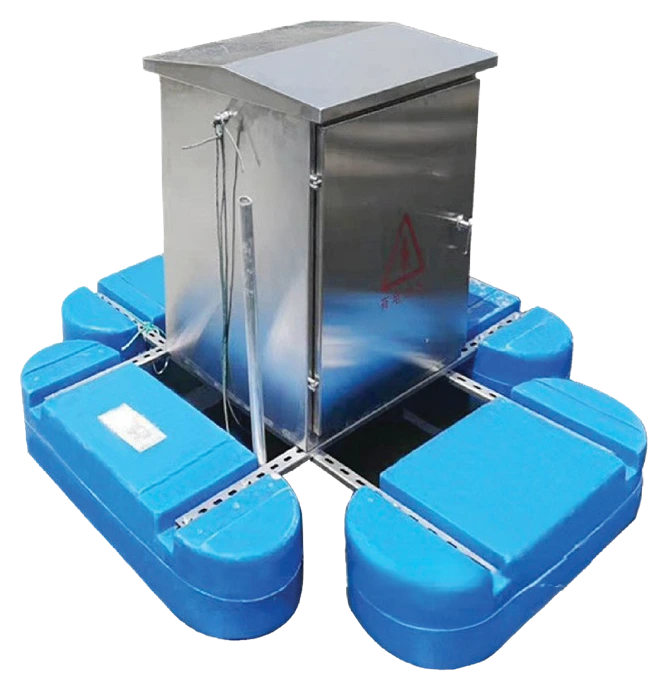
- Power
- 0.75 – 4 kW
- Oxygenation
- 2.0 – 9.0 kgO₂/h
- Circulation
- 150 – 600 m³/h
- Speed
- 8500 rpm
What it’s for
Smaller Bubbles, Longer in the Water
The super-nano generator produces bubbles as small as the nanometre range, offering exceptional gas-liquid contact. Nano bubbles rise slowly and remain suspended longer, which increases oxygen transfer efficiency, and they gradually dissolve into the water rather than escaping at the surface — maximum oxygen utilization with minimal waste.
The result is higher dissolved oxygen for biological treatment and better water quality, supporting natural purification and ecological restoration. It is engineered for high-performance aeration with optimised energy use, and built for consistent, low-maintenance service across a wide range of water treatment applications.
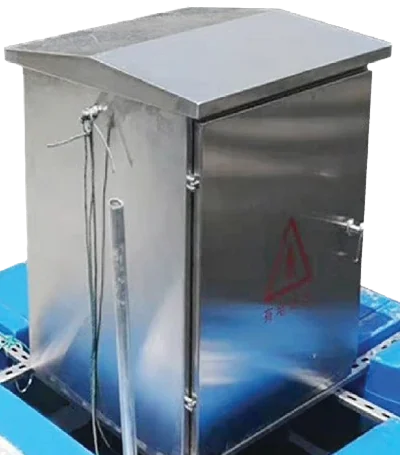
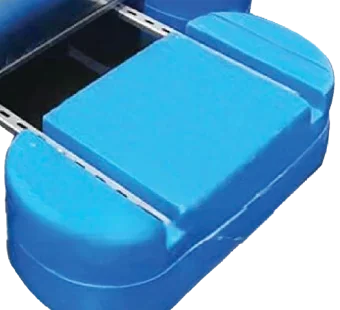
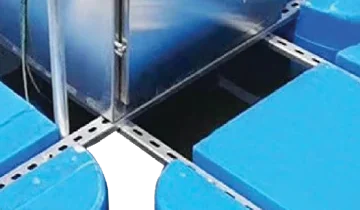
Construction
How It’s Built
Specifications
Technical Data
- P-SNG750
- 0.75 kW · 220 V, 50 Hz · 2.0 – 3.0 kgO₂/h · 150 m³/h circulation
- P-SNG1200
- 1.2 kW · 220 V, 50 Hz · 2.4 – 3.2 kgO₂/h · 200 m³/h circulation
- P-SNG1500
- 1.5 kW · 220 V, 50 Hz · 3.2 – 4.6 kgO₂/h · 260 m³/h circulation
- P-SNG2200
- 2.2 kW · 380 V, 50 Hz · 4.6 – 5.9 kgO₂/h · 300 m³/h circulation
- P-SNG3000
- 3.0 kW · 380 V, 50 Hz · 5.9 – 7.5 kgO₂/h · 450 m³/h circulation
- P-SNG4000
- 4.0 kW · 380 V, 50 Hz · 7.5 – 9.0 kgO₂/h · 600 m³/h circulation
Performance chart — six models
- Rotational speed
- 8500 rpm
- Supply
- 50 Hz — 220 V up to 1.5 kW, 380 V above
- Bubbles
- Down to the nanometre range, in high concentration
- Oxygen use
- Bubbles dissolve gradually — minimal waste
Common specifications
Applications
Where It’s Specified
Industrial wastewater treatment where the biological stage needs higher dissolved-oxygen performance than standard aeration delivers.
Domestic sewage treatment, improving biological treatment and water quality.
Black and odorous water bodies, supporting natural purification of polluted water.
Deep-drain wastewater from rivers and lakes, and ecological restoration projects.
Common questions
Frequently Asked Questions
How is it different from the Micro-Nano generator?
It runs at 8500 rpm, against 2850 rpm for the Micro-Nano, to produce a higher concentration of nanometre-range bubbles that stay suspended longer. The Micro-Nano covers larger duties — up to 9 kW and 24 kgO₂/h — where the Super-Nano tops out at 4 kW and 9 kgO₂/h.
Why do smaller bubbles matter?
Nano bubbles rise slowly and remain suspended longer, so more of their oxygen transfers into the water, and they gradually dissolve rather than escaping at the surface — more oxygen used, less wasted.
When is it worth it over a standard aerator?
When a site needs higher dissolved-oxygen performance or pollutant breakdown than standard aeration typically achieves — black and odorous water bodies or deep-drain wastewater, for example.